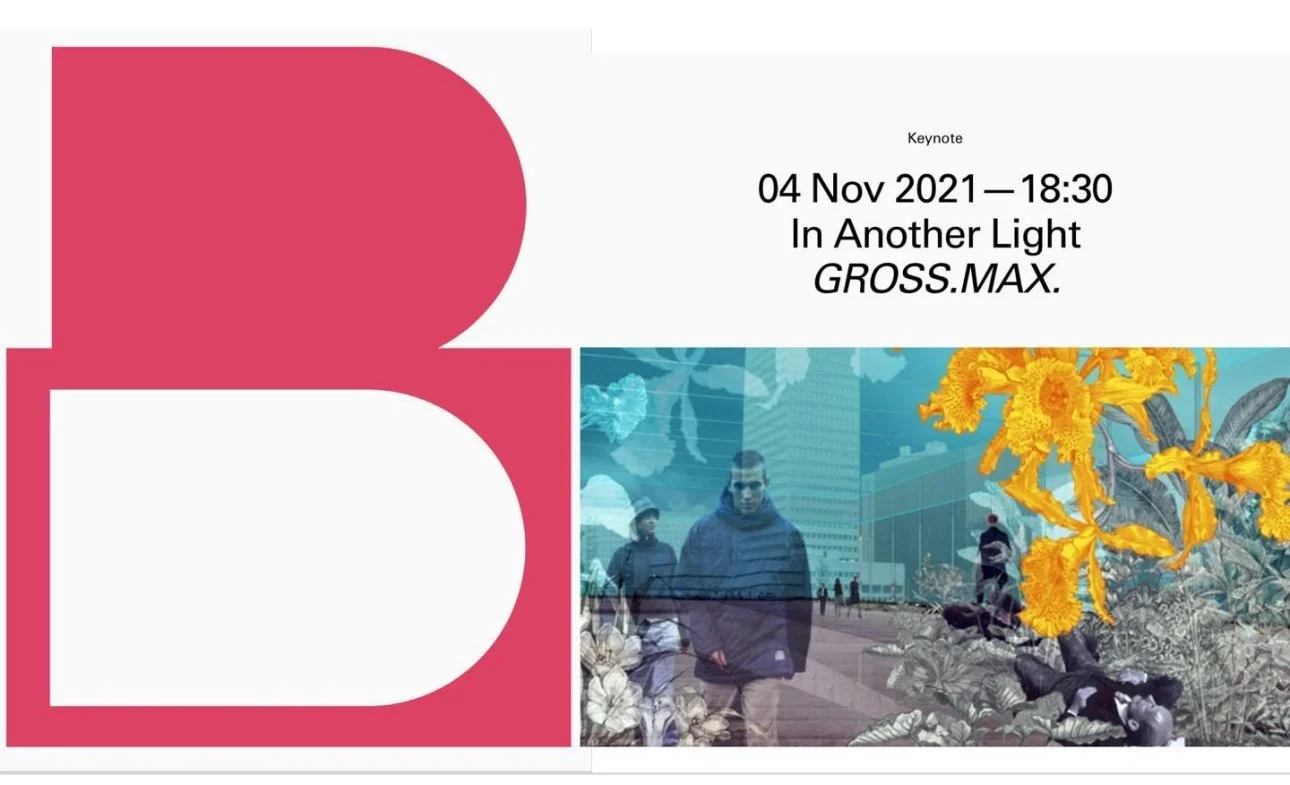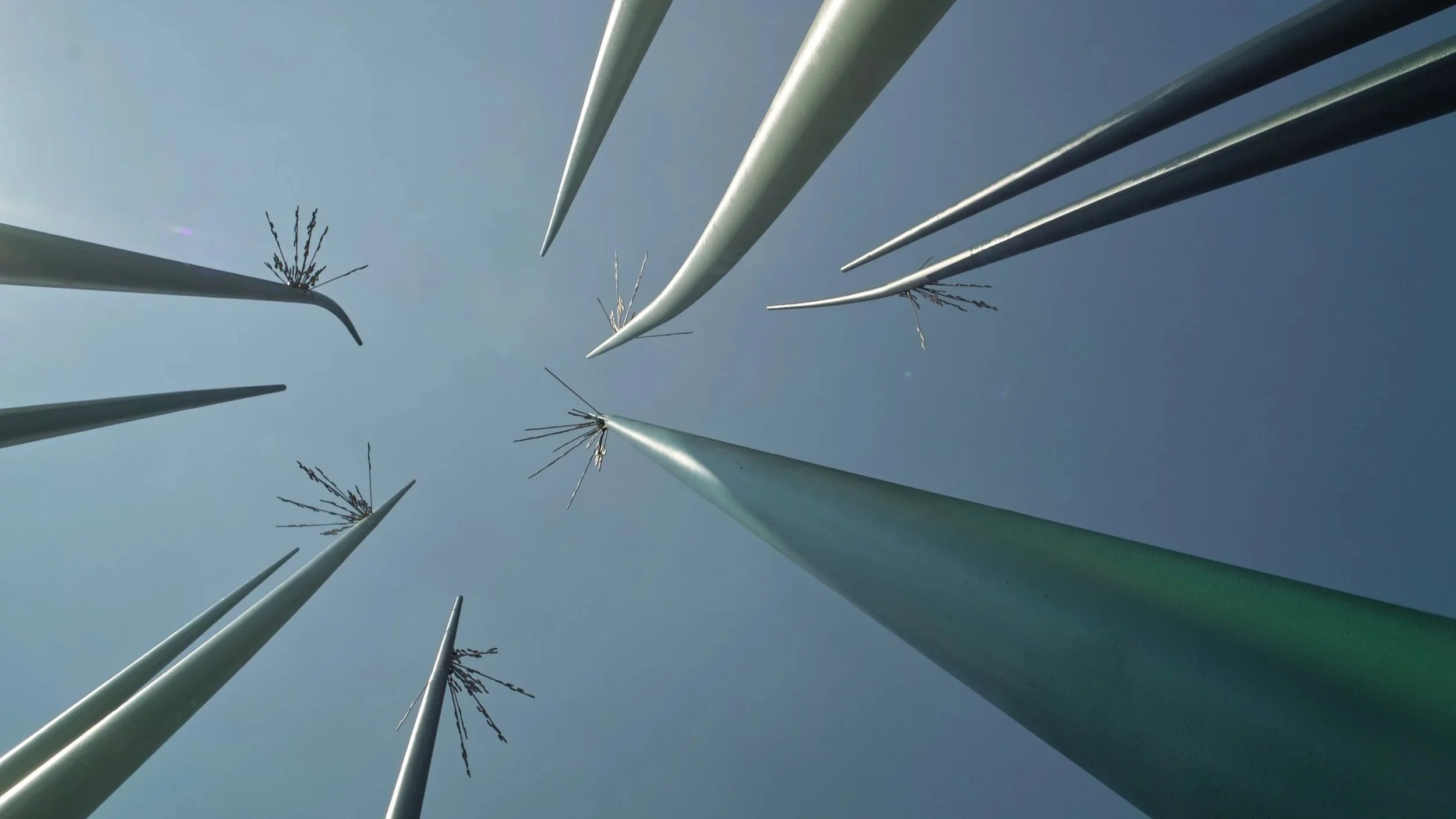
GROSS. MAX., founded in 1995 by directors Bridget Baines and Eelco Hooftman, has an international reputation for its innovative design for public space and landscapes.
Our projects are based on thorough understanding of - and reflection upon – site and context. Our vision is about creating new conditions in which landscape is not an object but a process. We believe the complexity of the contemporary condition requires us to synthesize the insights of many related disciplines such as architecture, urban design, ecology, infrastructure, lighting design, art and engineering. The practice has won over 35 (international) competitions for landscape, public space and urban master planning and has an international portfolio of exciting and challenging projects.
Manifesto
Towards a radical picturesque:
Landscape architecture should once again become a source of AESTHETIC EXPERIMENTATION. We find inspiration in the seventeenth and eighteenth century when Great Britain was the TESTING GROUND for many experiments in landscape architecture. Landscape was the topic of intense aesthetic discourse and philosophical enquiry. The essence of British landscape architecture was to reshape nature according to fashion and taste; THE CULT OF THE CULTIVAR, THE ART OF THE ARTEFACT….! Landscape was the domain of dandies, hermits and poets. The twentieth century produced landscapes of little or no interest. The specific became general, the norm became the rule, landscape turned into environment. A DELICATE green tissue turned into a MONSTROUS green blanket…
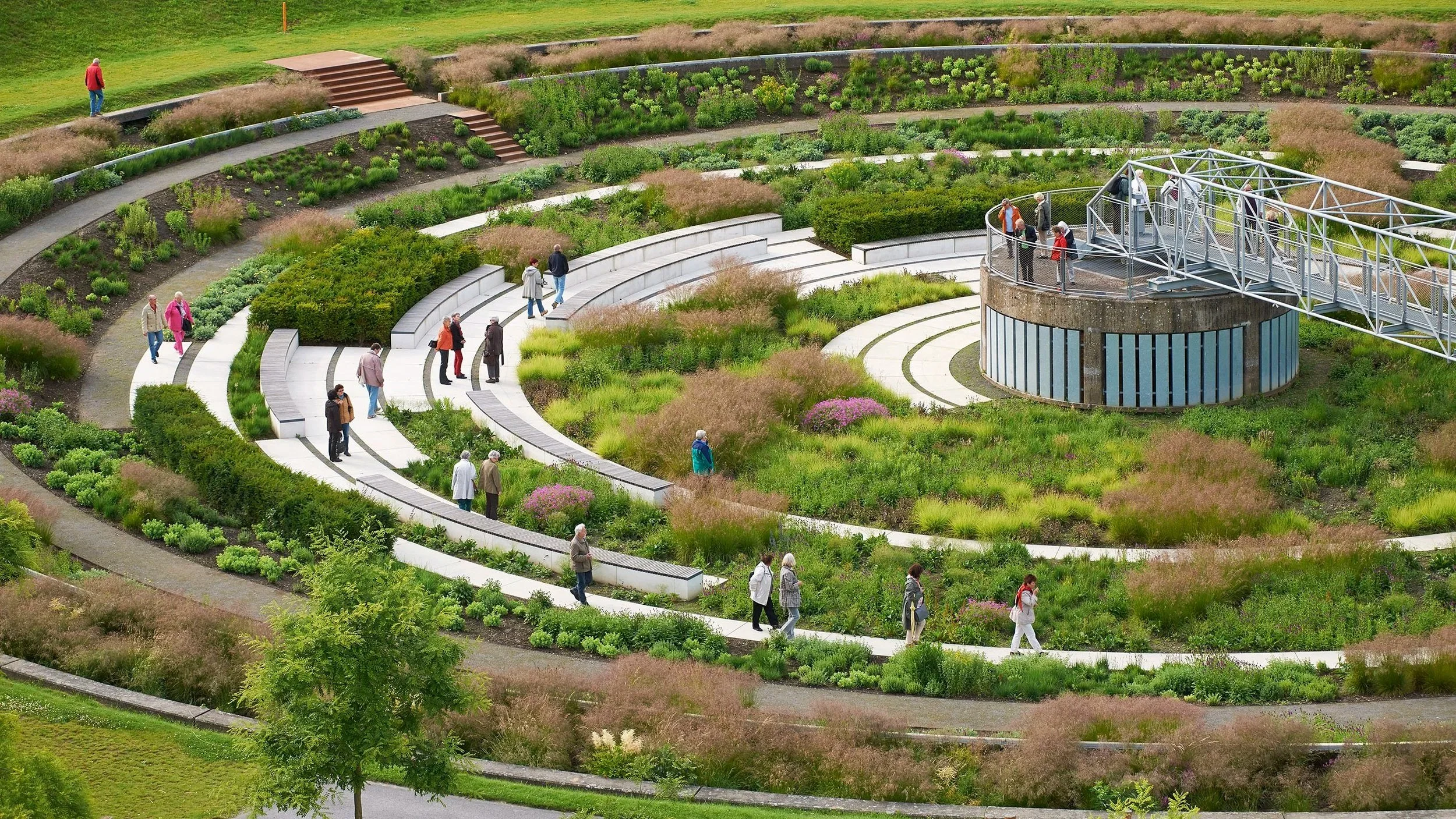
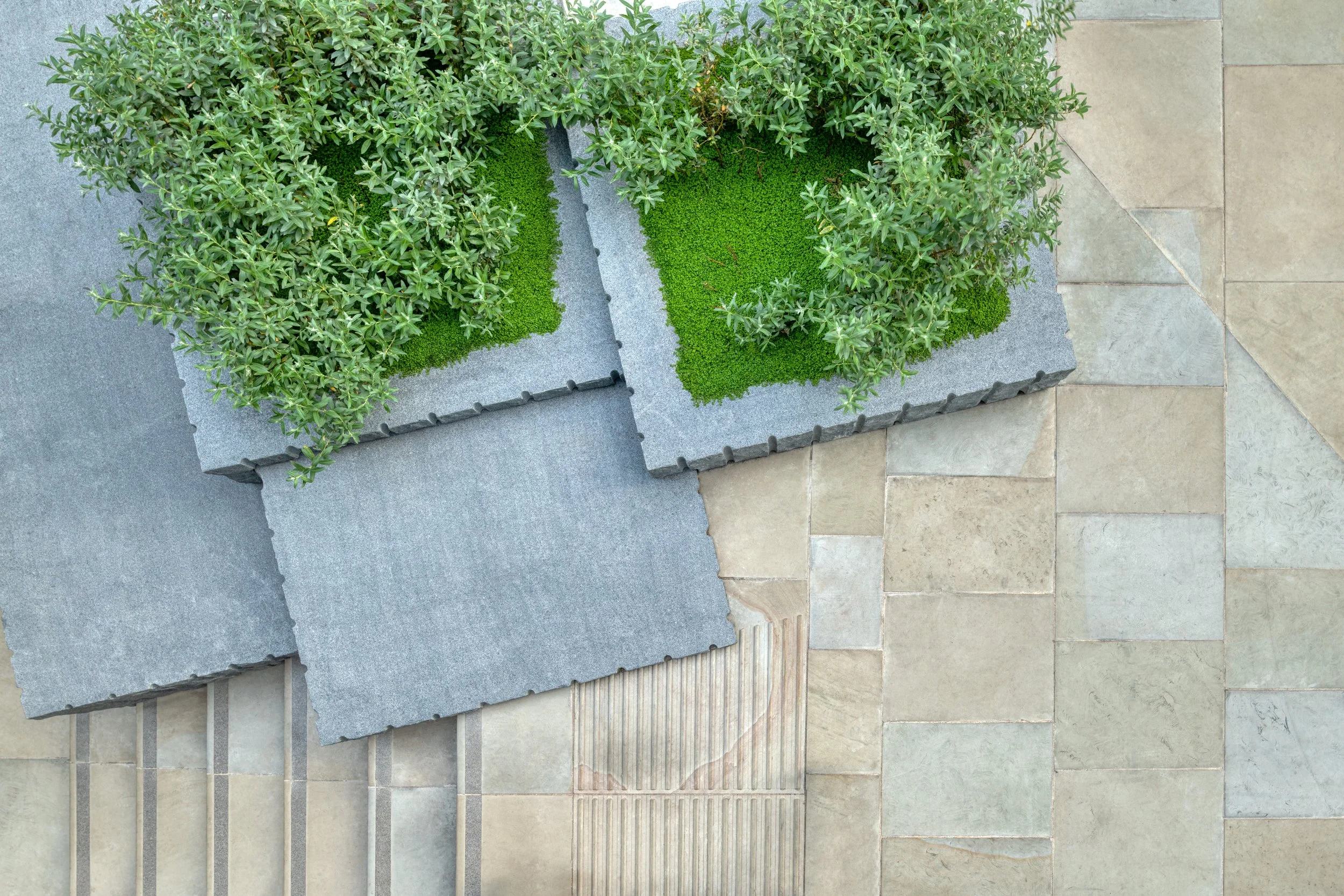
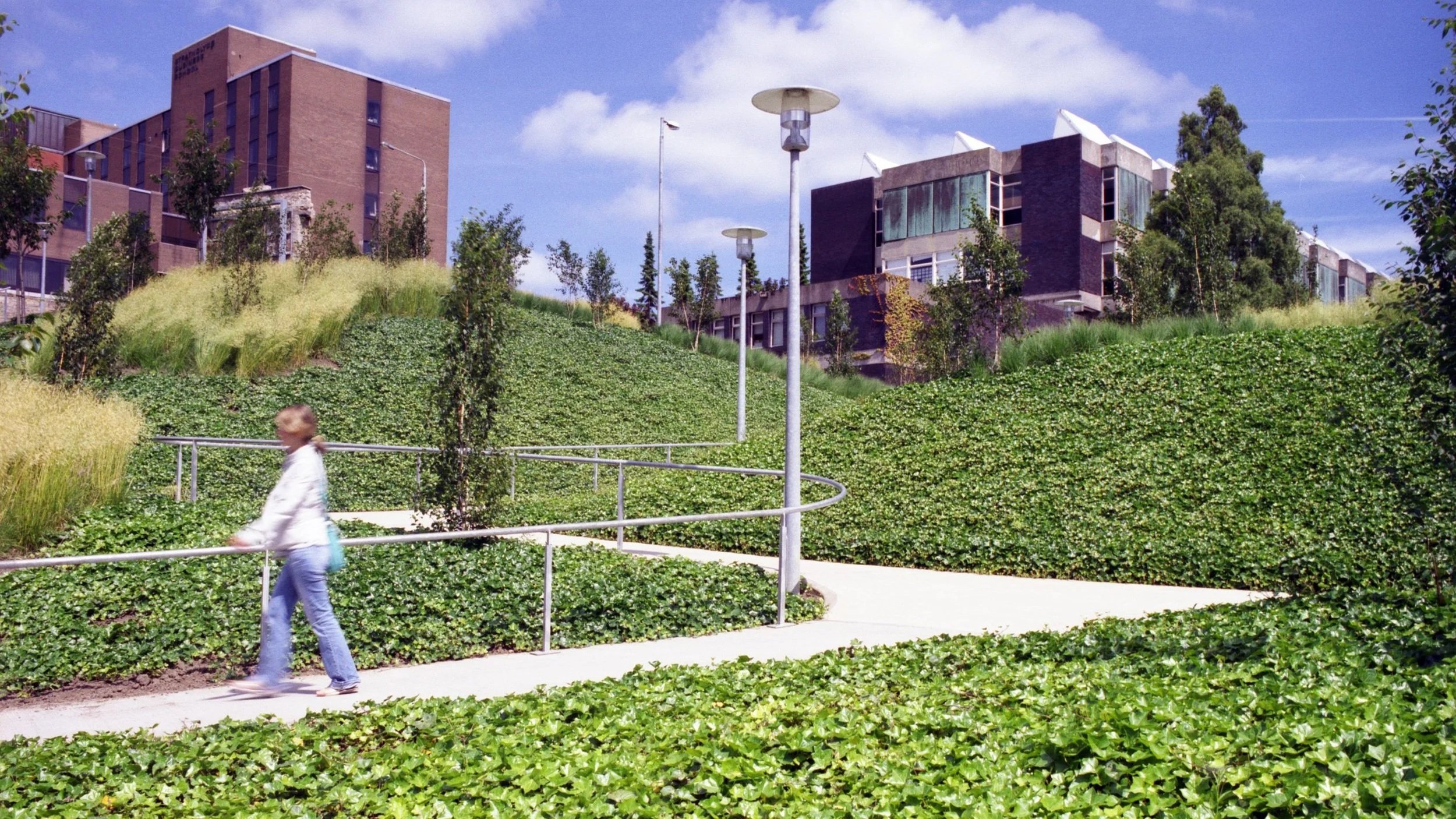
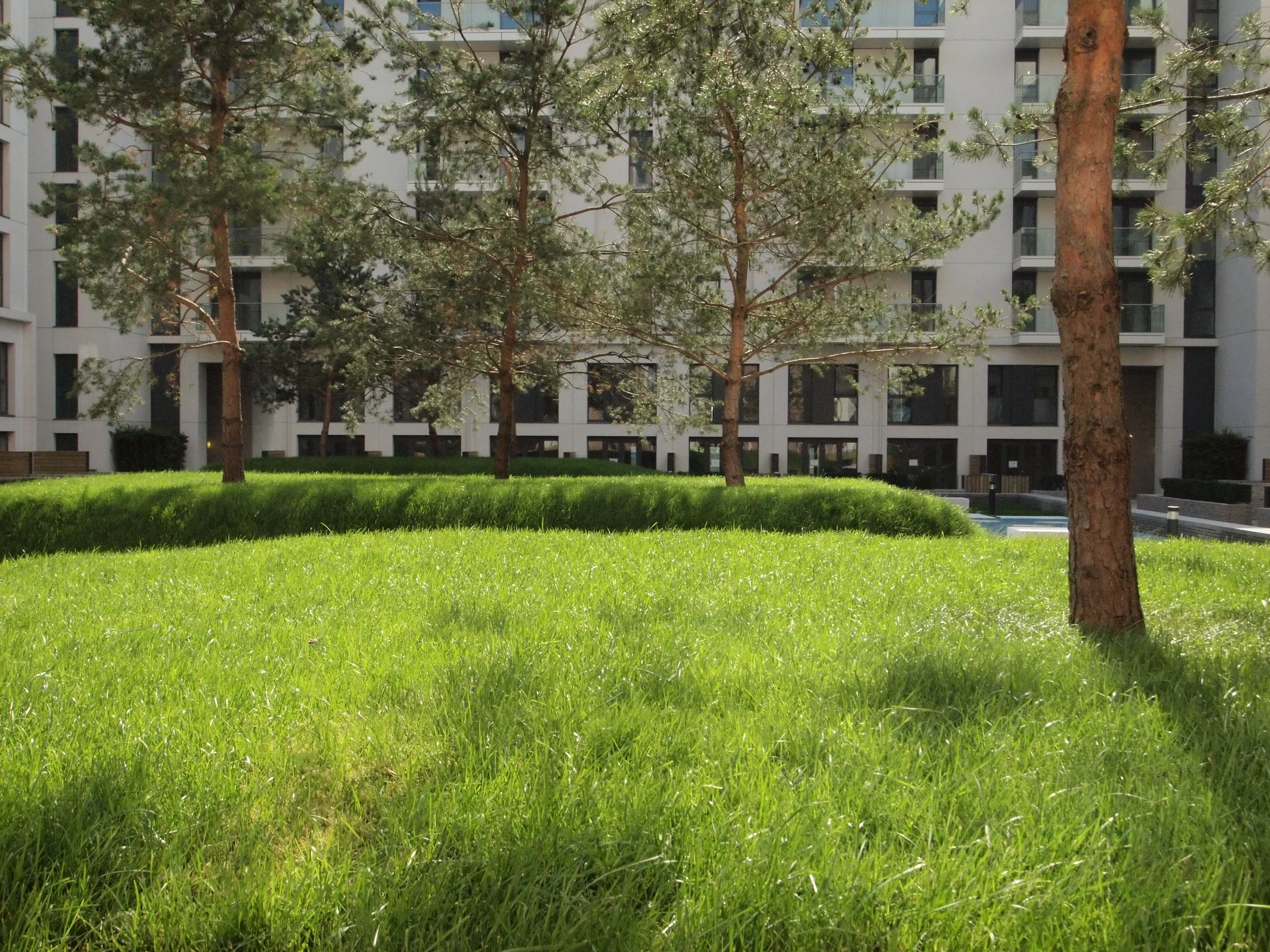
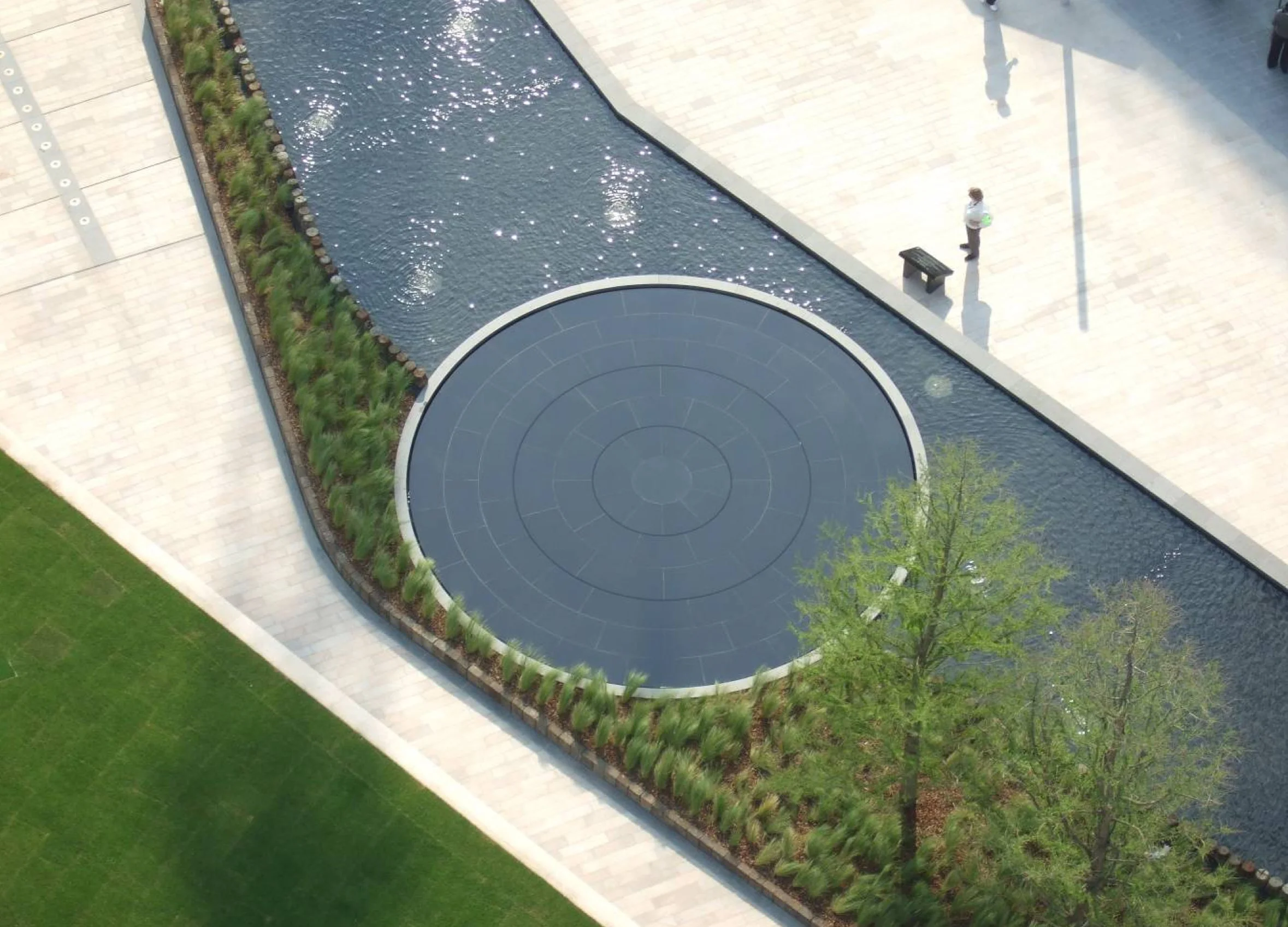
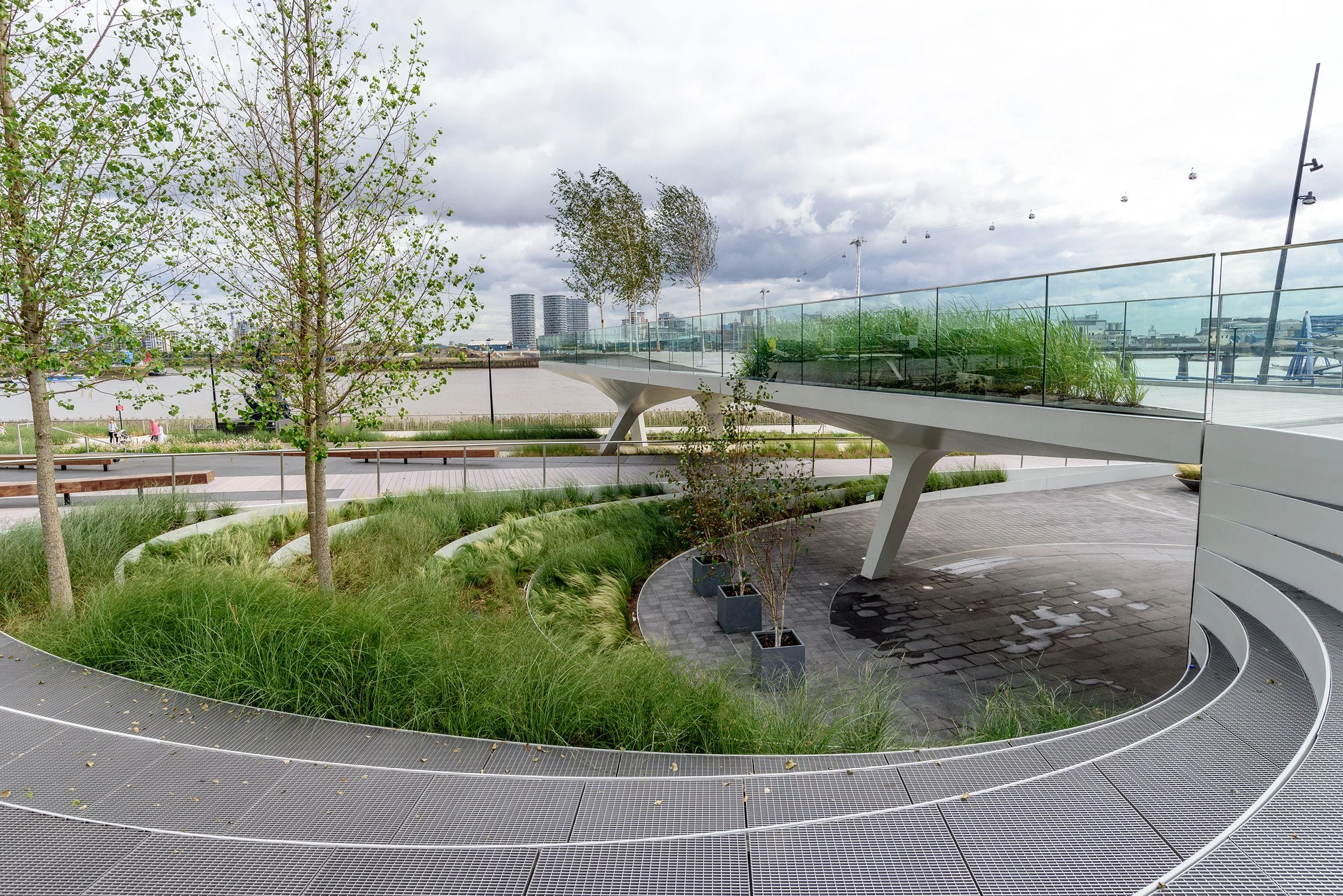
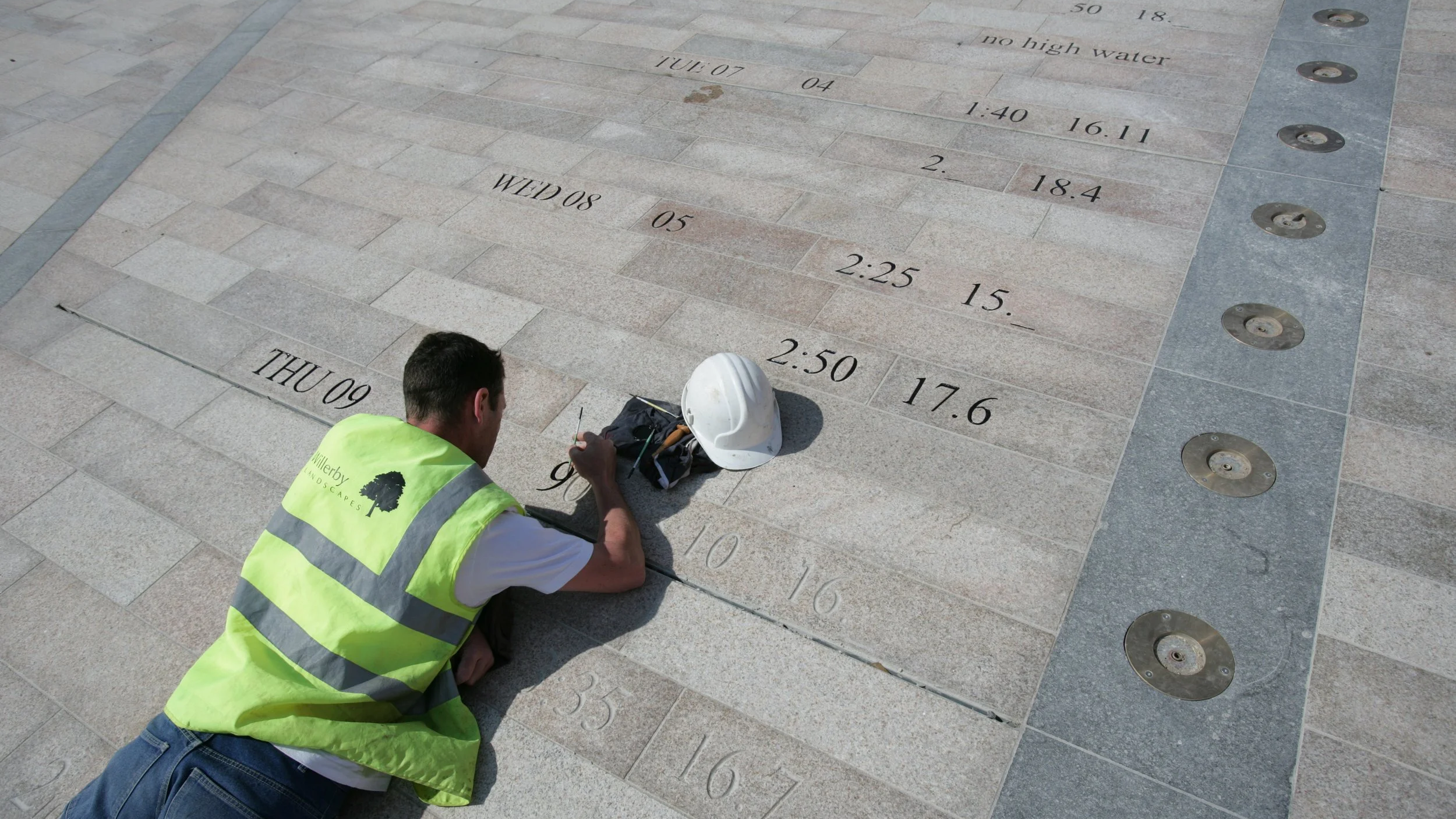
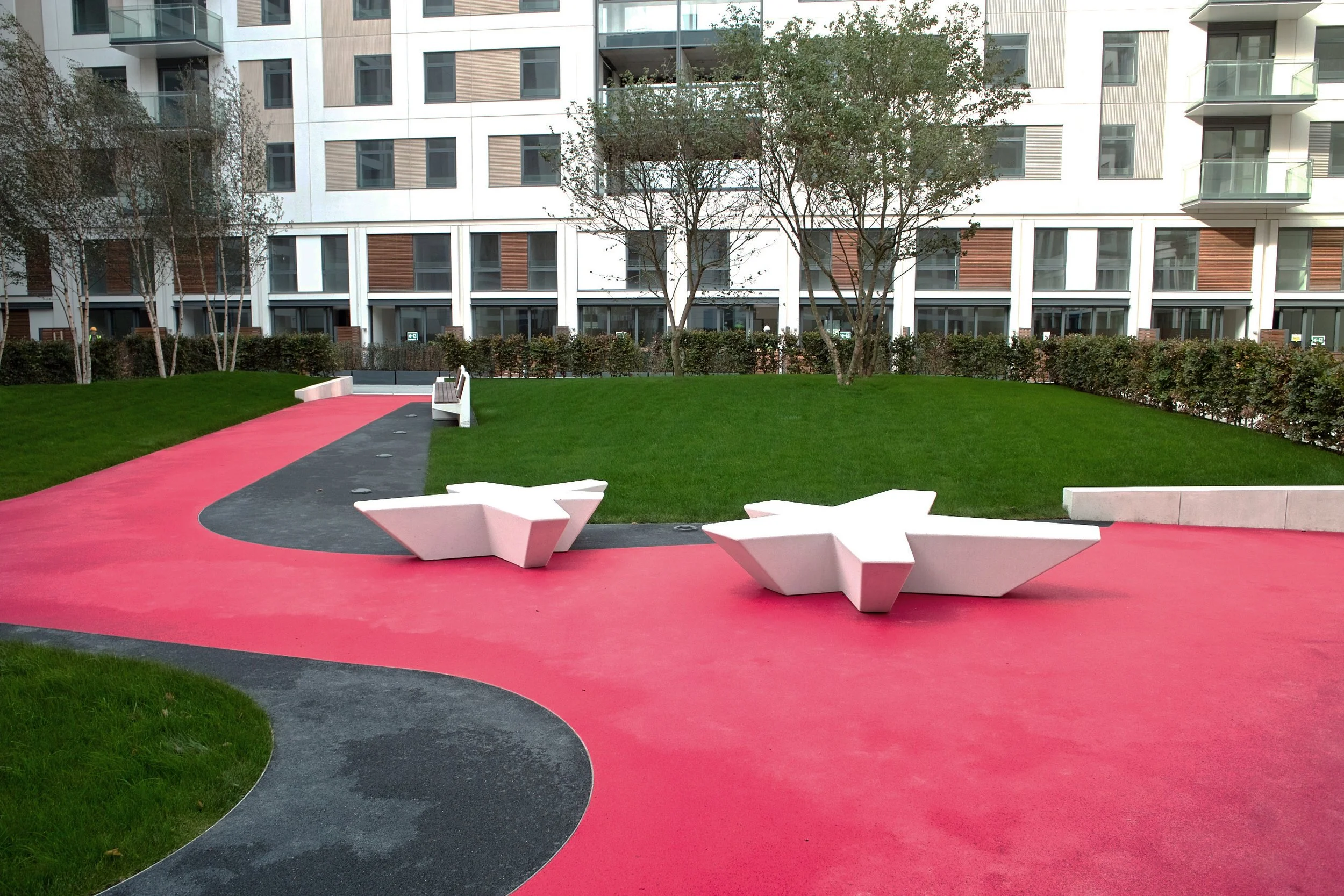
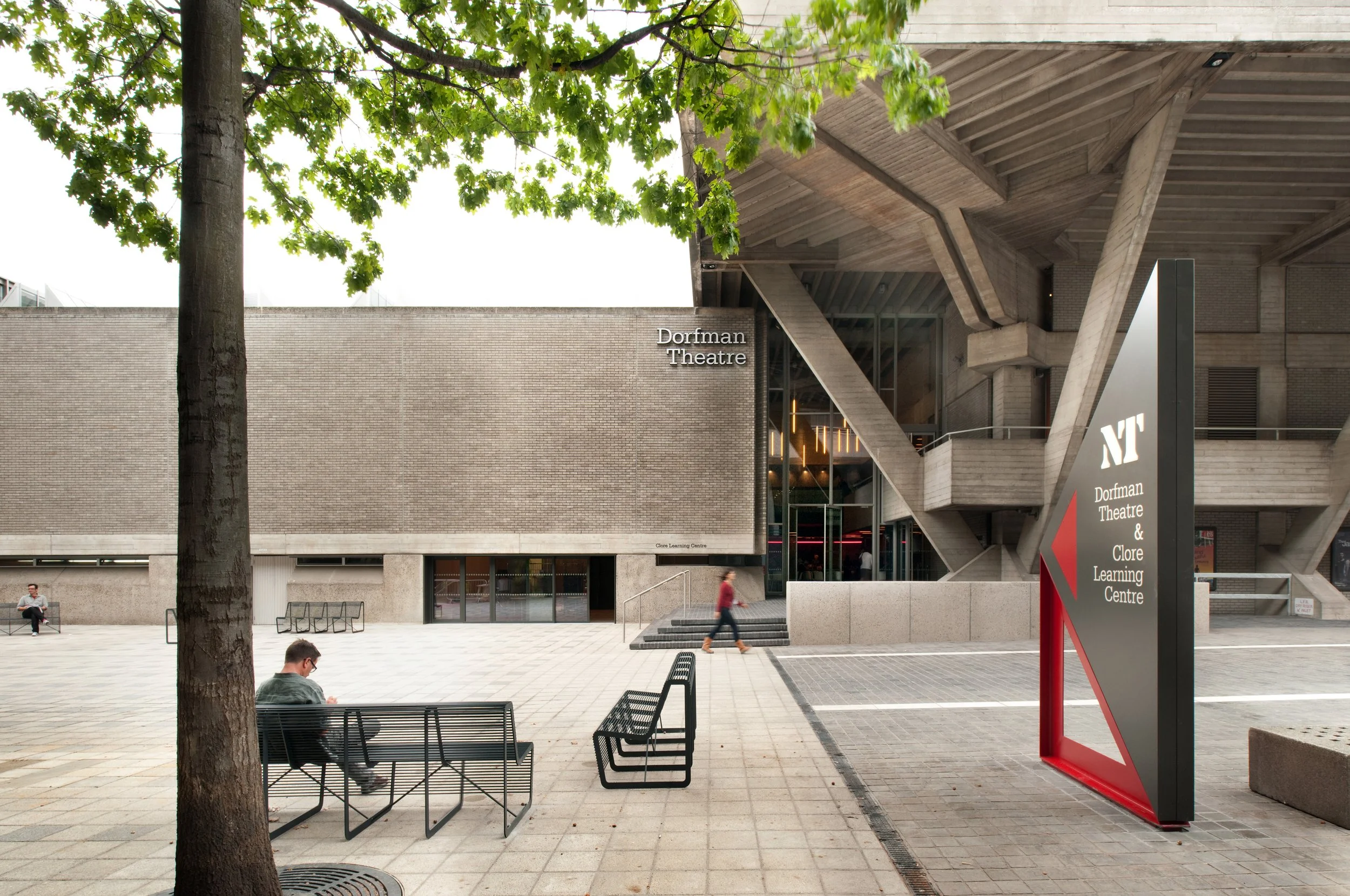
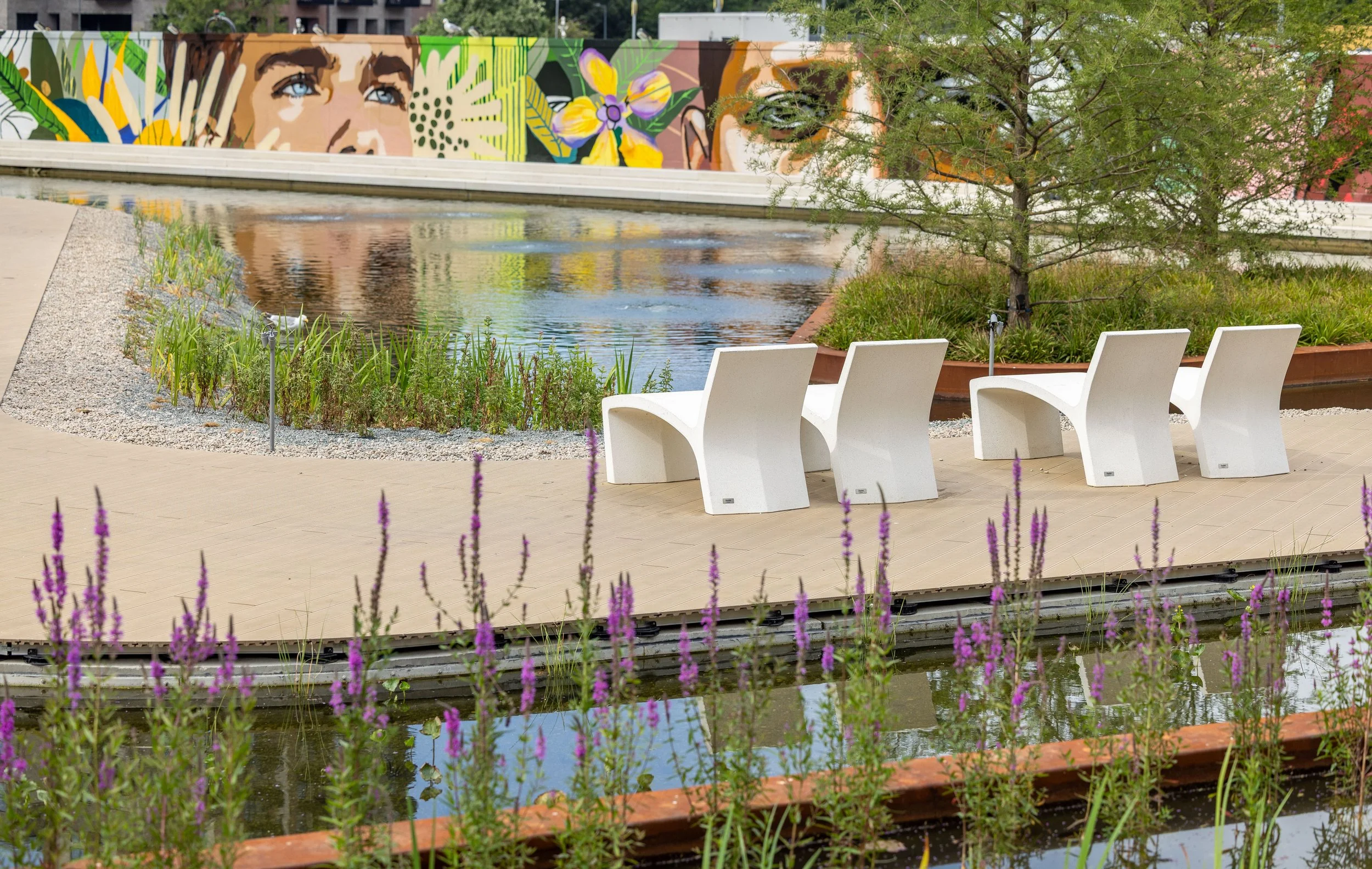
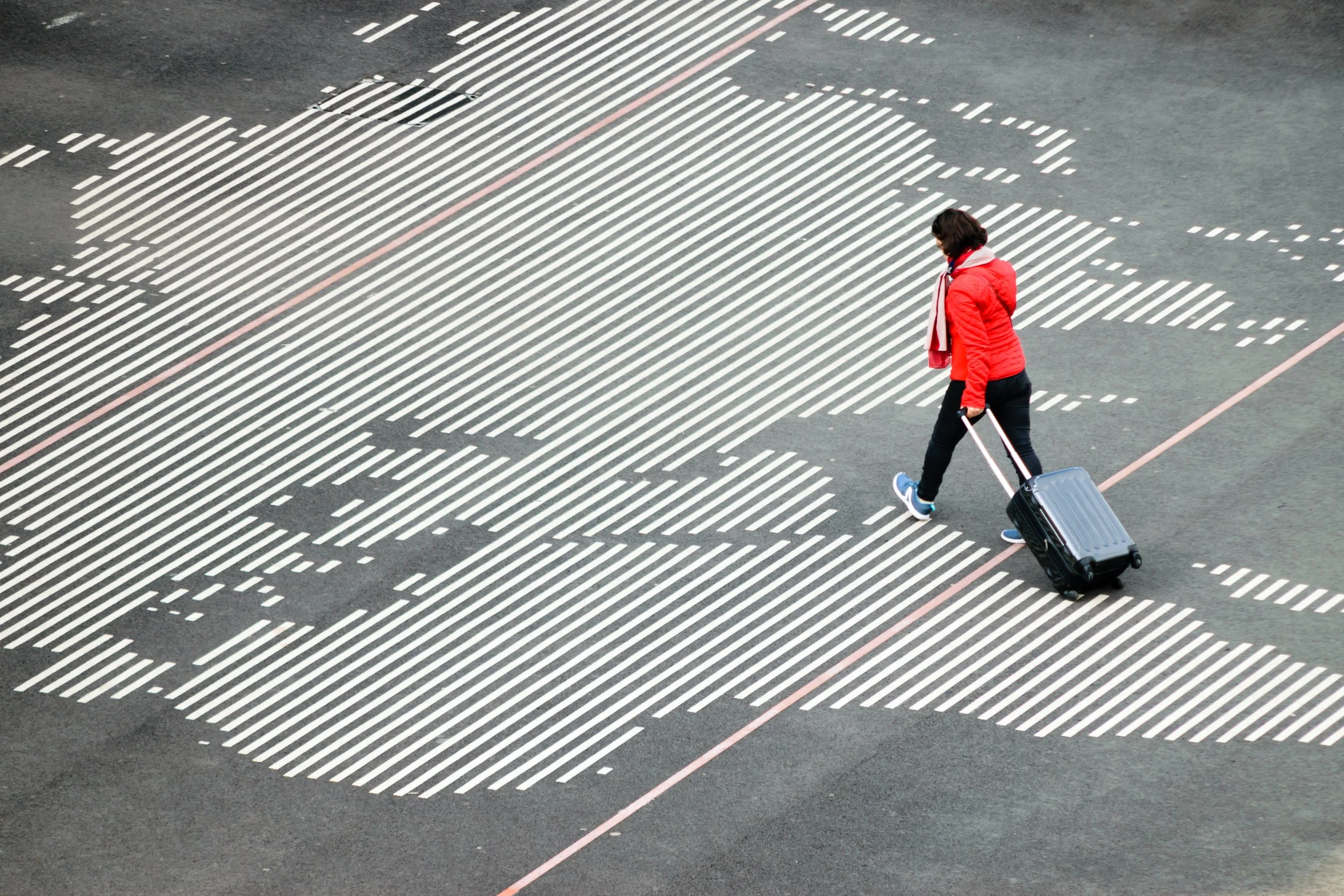
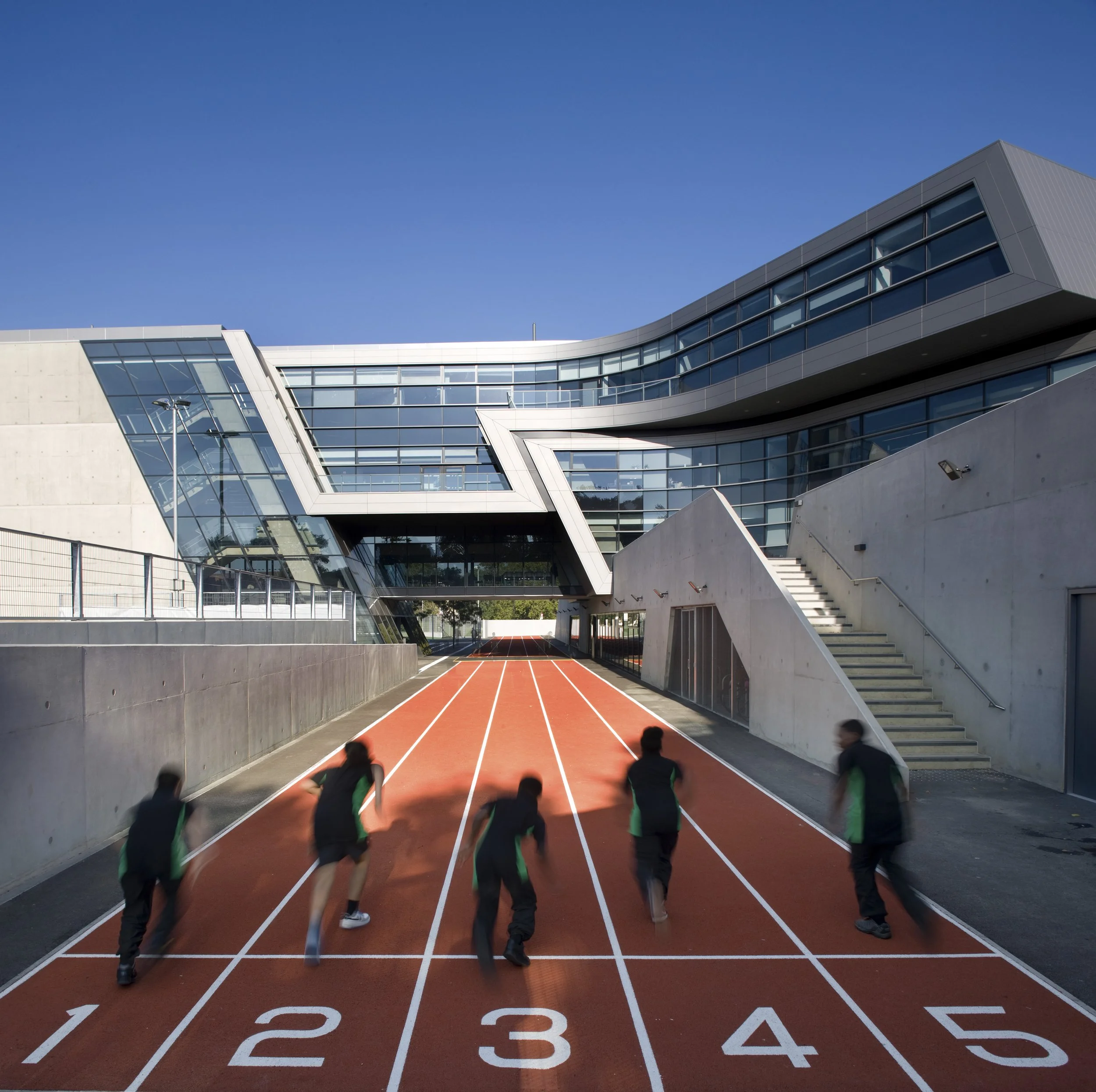
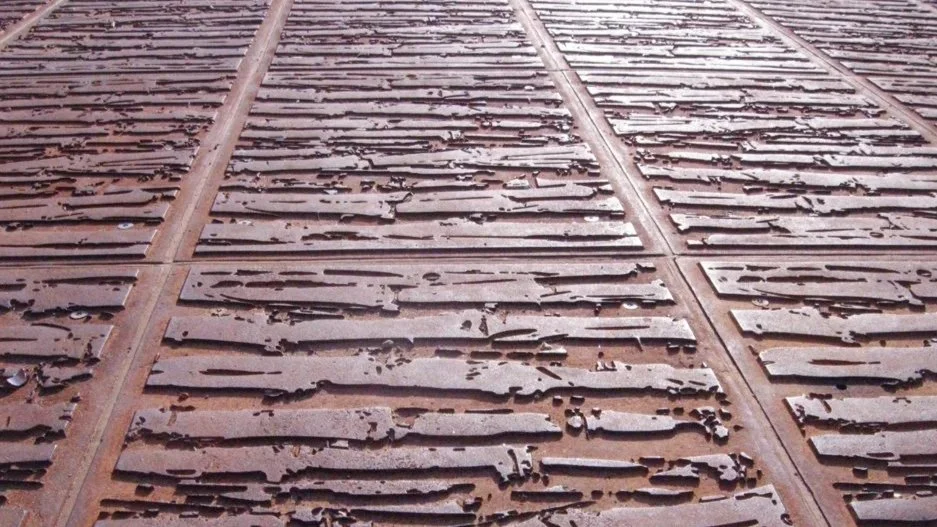
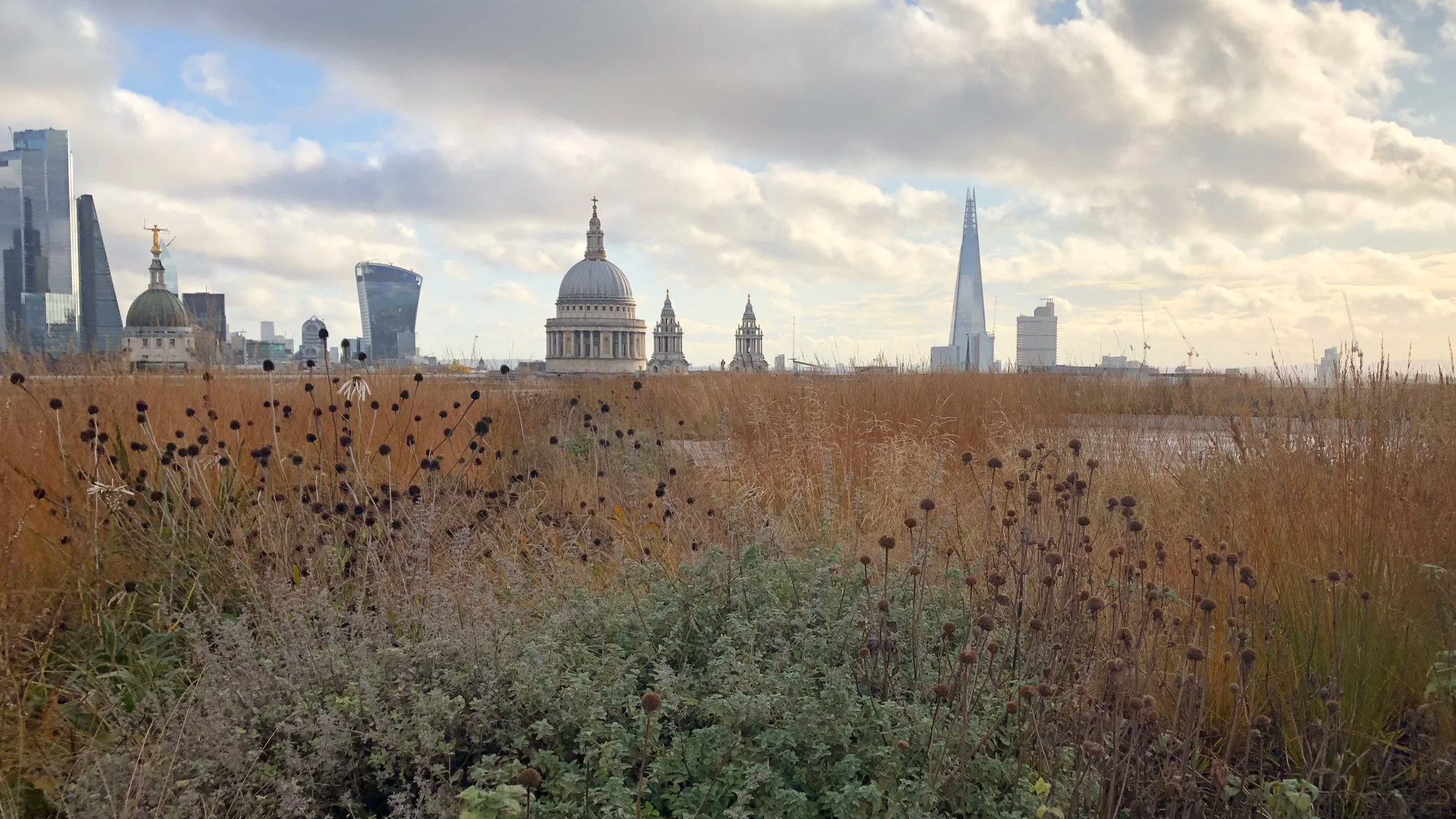
On Nature:
Nature is no longer natural; on the contrary to survive nature will need to be artificially constructed, man-made and mass produced. The urban jungle of the metropolis is the rainforest of the 21st century.
Instead of static Nature Conservation (the kiss of death in times of climate change) we should promote dynamic Nature Activation.
We invented the concept of “Ecological Wonderbra”; an uplifting support system for fragile ecosystems.
Ultimately our work evolves around nature a visual pleasure and play: we are like cats tossing mice into the air.
On Visualization:
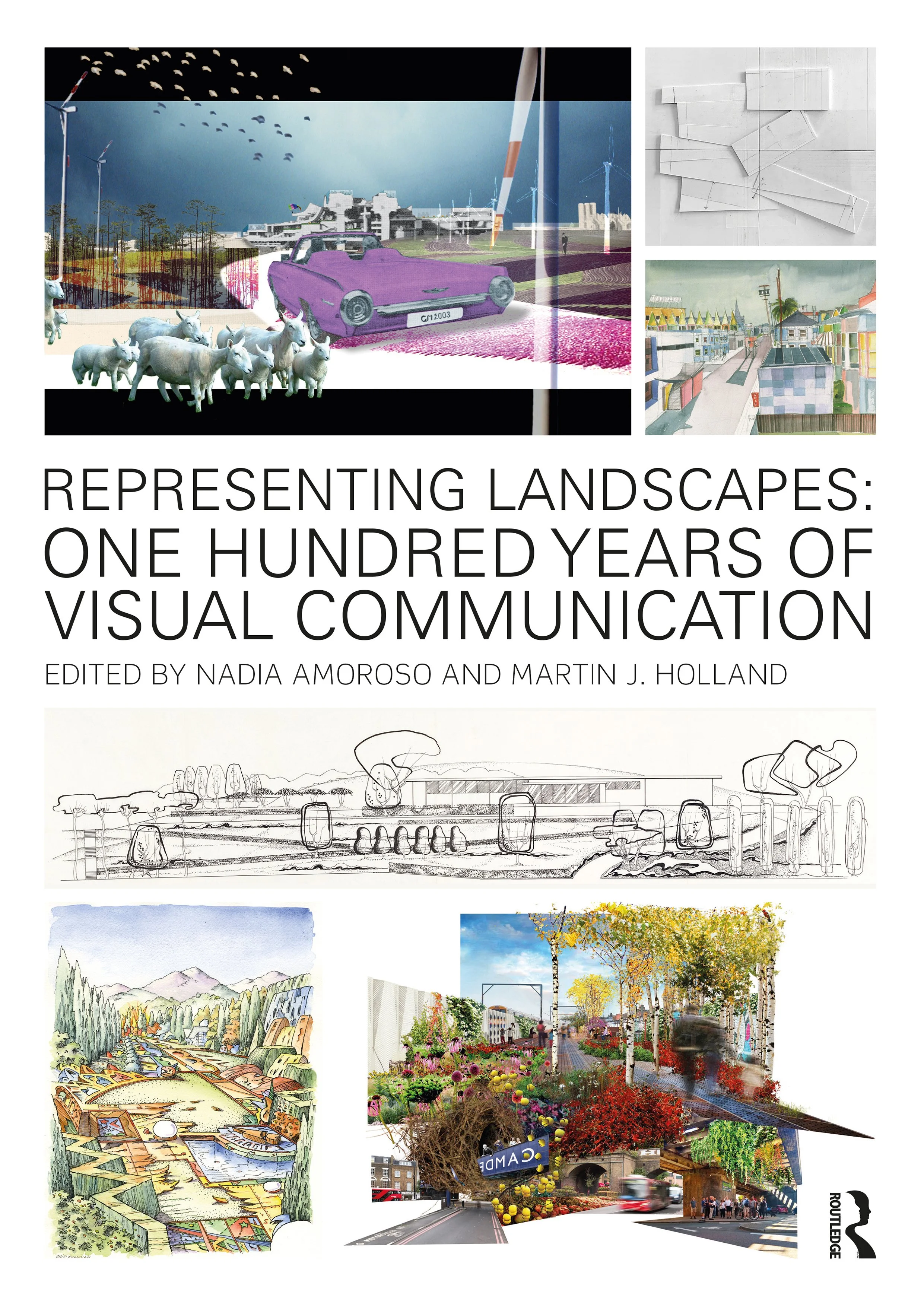
The pixel is our pigment. The computer screens our canvas. Images act as eye-openers towards a new landscape. At GROSS. MAX., images originate at the early stages of the design process. They do not show the comparison between before and after, but rather the state of the ‘in-between.’
Images are not only representation but also speculation. They do not as much represent the nature of the finished, constructed project, but rather, its original intent. To envision a new landscape is like a deliberately induced phantasmagoria that unfolds in the half-asleep and half-awake condition between concept and context in the twilight zone between imagination and realization.
On Culture:
Landscape Architecture in 18th century Britain was regarded as the highest form of Art. Landscape architects were the dominant tastemakers and trendsetters expressing new ideas regarding the relationship between man and nature. Nowadays landscape architects have lost this prominent position. The profession has lost its magic touch…. We are inspired by the notion that landscape architecture could once again become an act of culture. Inspiration comes from the site, the brief and contemporary culture.
New ideas are not created, they are (re) discovered and revealed. The landscape architect should combine the seductiveness of Mati Hari with the shrewdness of Miss Marple.
We like to reveal the layers in the landscape not unlike the sensuous act of striptease.
Landscape can reconcile opposite forces: Apollo and Bacchus, classic and romantic, artificial and natural, growth and decay, beauty and sublime.
On Practice:
In our small practice, located in the periphery of Europe, we have many different nationalities and commissions around the globe. We proclaim to combine a British sense of humour, with a Dutch sense of experiment and a German sense of rigor. We are a multinational in miniature.
Landscape has become a melting pot of globalized culture. We work around the clock in different time zones. We are the children of the Google Earth Revolution.
On Time:
An important and defining aspect of our works is that it deals with time and therefore focusses upon process, transformation and duration. Landscape Architecture contributes to shaping a world in constant flux and evolution. We at GROSS. MAX. like to interpret landscape as a palimpsest of time. Our landscapes are the expression of a dynamic field of forces.
On Plan:
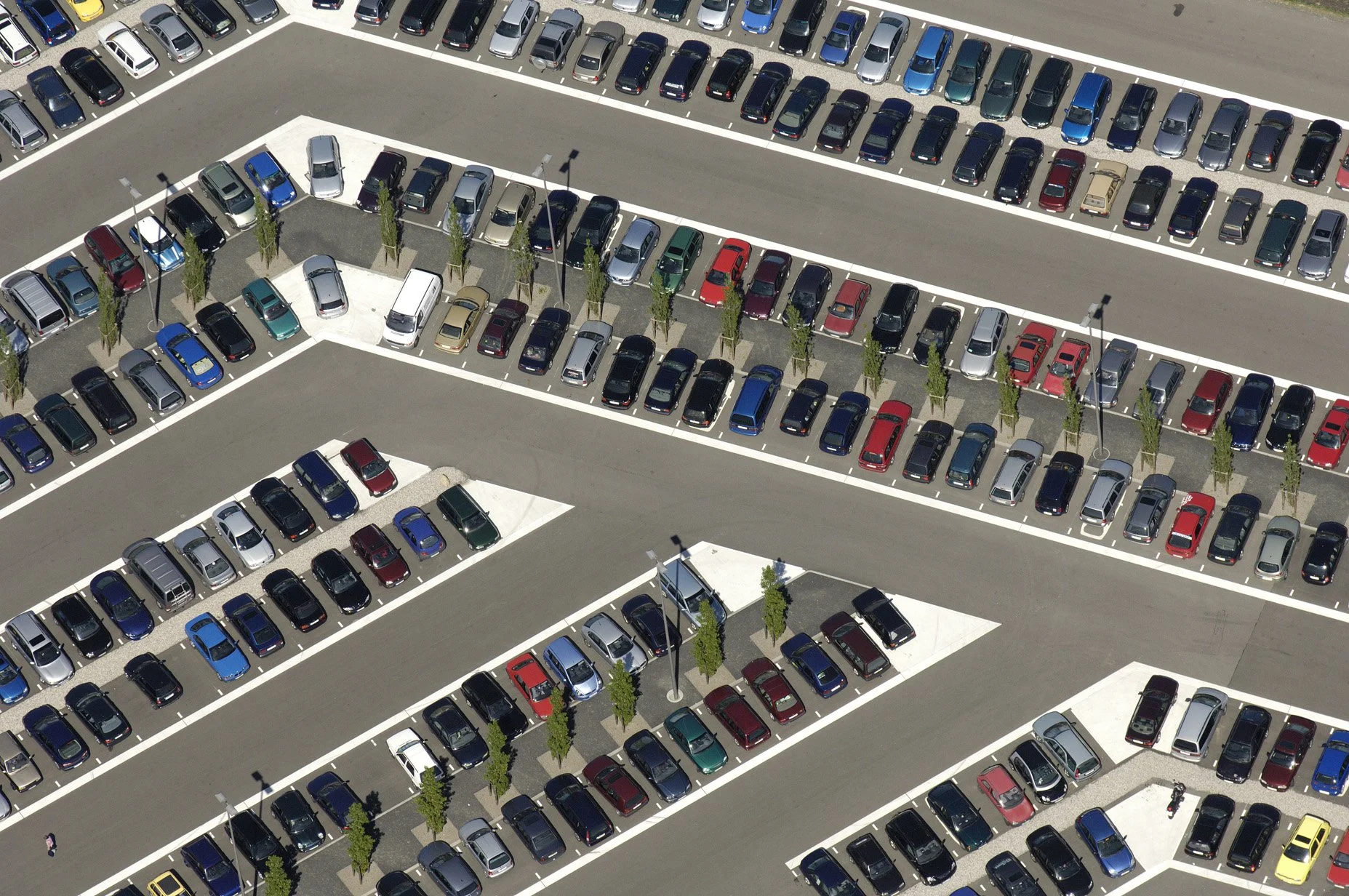
GROSS. MAX. is inspired by maps and a perspective from above, microcosm mirrors macrocosm.
For GROSS. MAX. the very act of landscape architecture is like taking off on a reconnaissance flight above unknown territory, whilst flying below the radar of styles. We are flying - exalted to a kind of omniscience - no longer on automatic pilot but navigating on our own visual faculty. The world below: a multitude of vivid moving lines and figures; calligraphy intertwined with cartography.
On Scale:
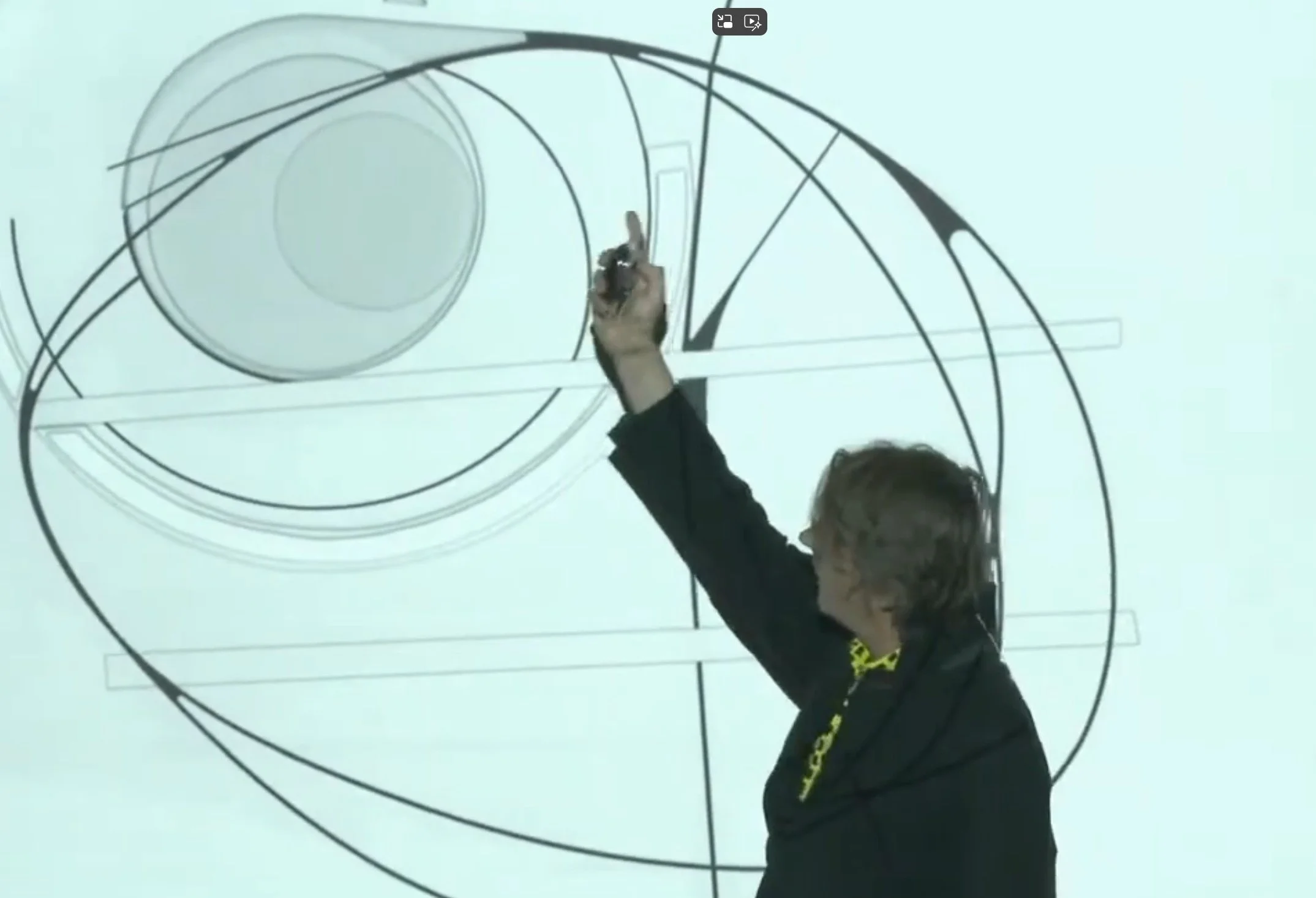
As Landscape Architects we operate simultaneously on a variety of scales, both in terms of physical scale as well time scale. The eye of a landscape architect is like a zooming device; both microscopic and telescopic.
Landscape is no longer a static place but the expression of a dynamic field of forces. Landscape architecture contributes to shape a world in constant flux and evolution. We focus upon process, transformation and duration.
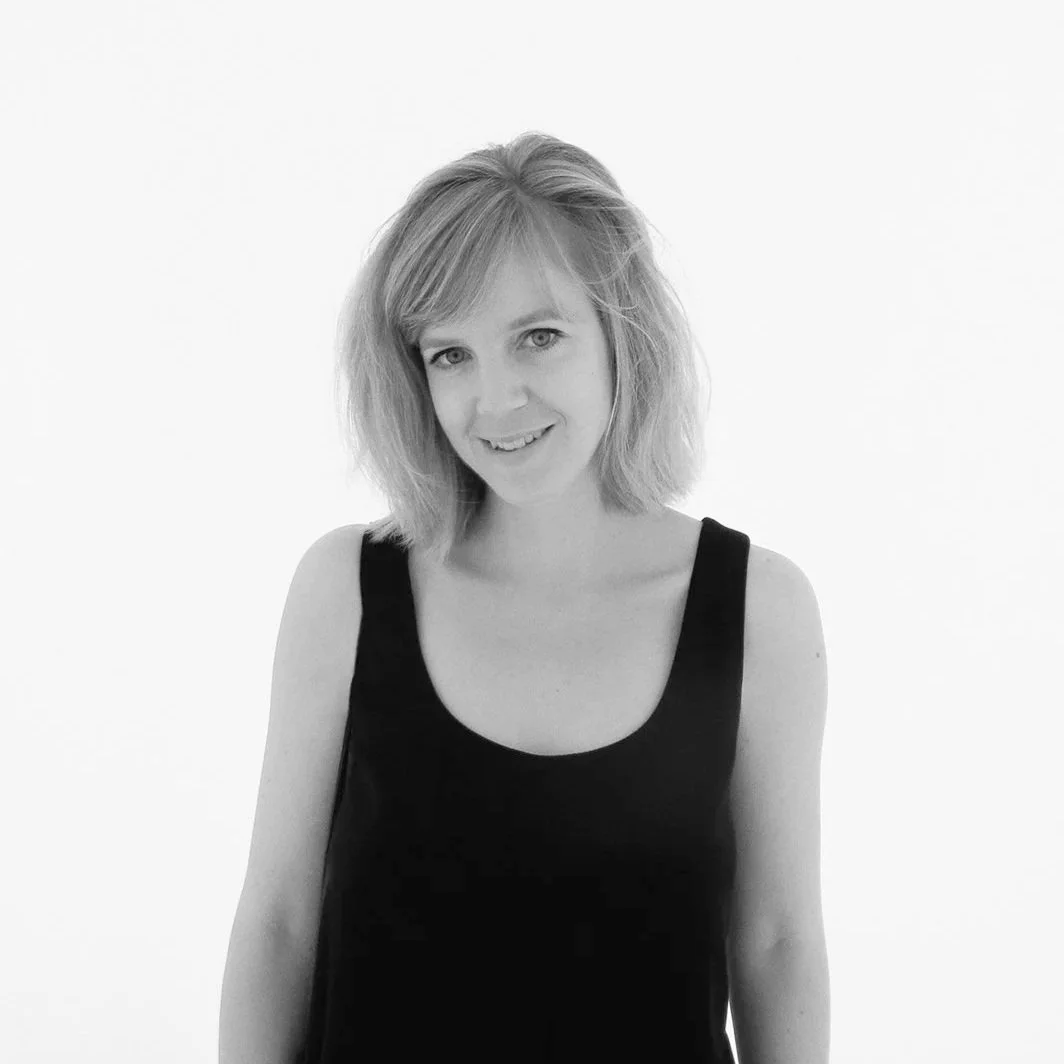
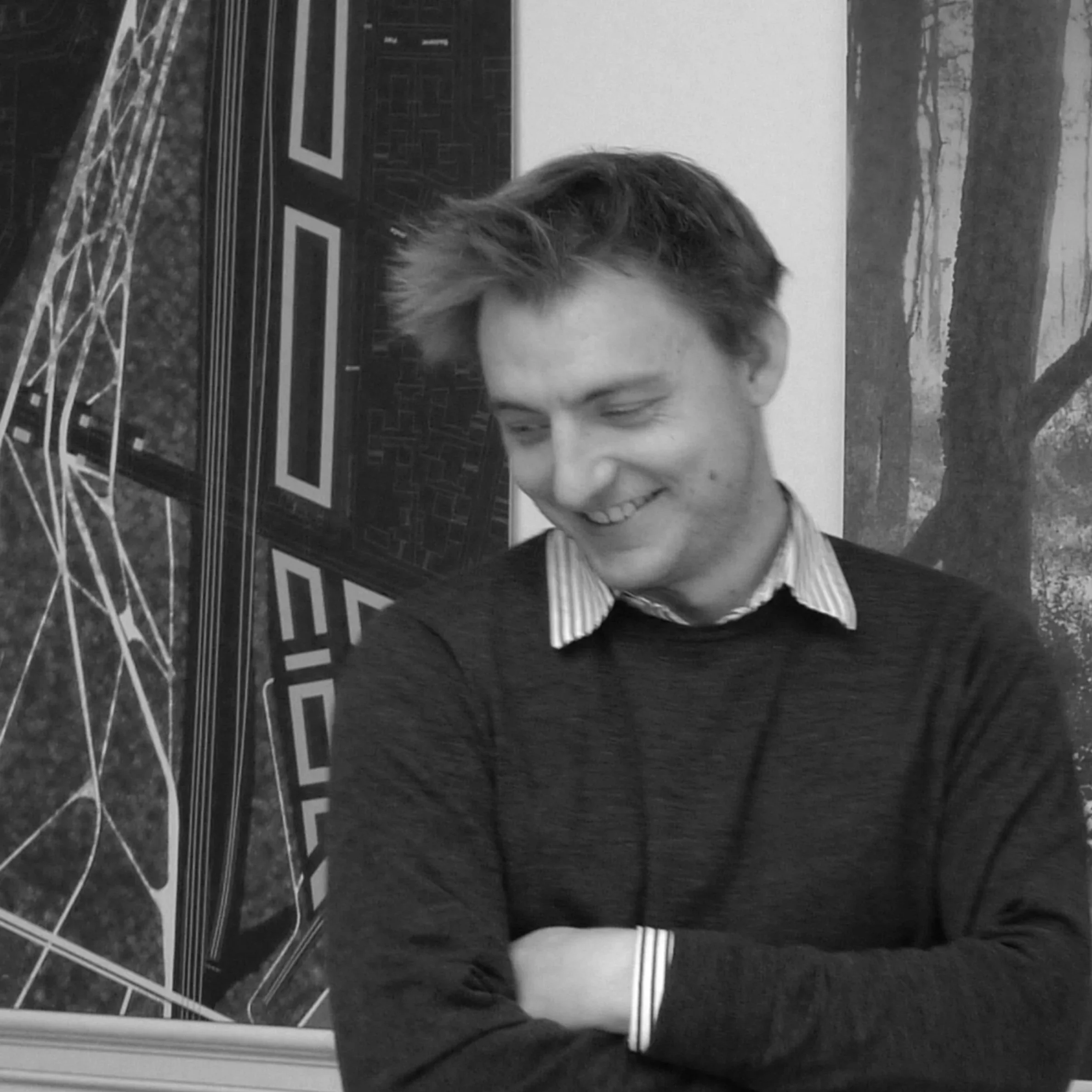
Senior Team:
“Polyglot sensibility”
Blueprint March 2013
“Visionaries of the British Landscape Architecture”
Lucy Bullivant, 2007
“Exuberant spaces…. sensational landscapes ….”
Paul Shepheard, 2006
“Enchantment rather than formalism”
Henri Bava, 2012
“Can always be relied upon for something ‘out there’ ”
Tim Richardson, 2025