

Speculative / Architecture
Garden for a Plant Collector
Glasgow, UK 2006 - 2007
A skilful, accurate, and magnificent interplay of assembled vegetation under light.
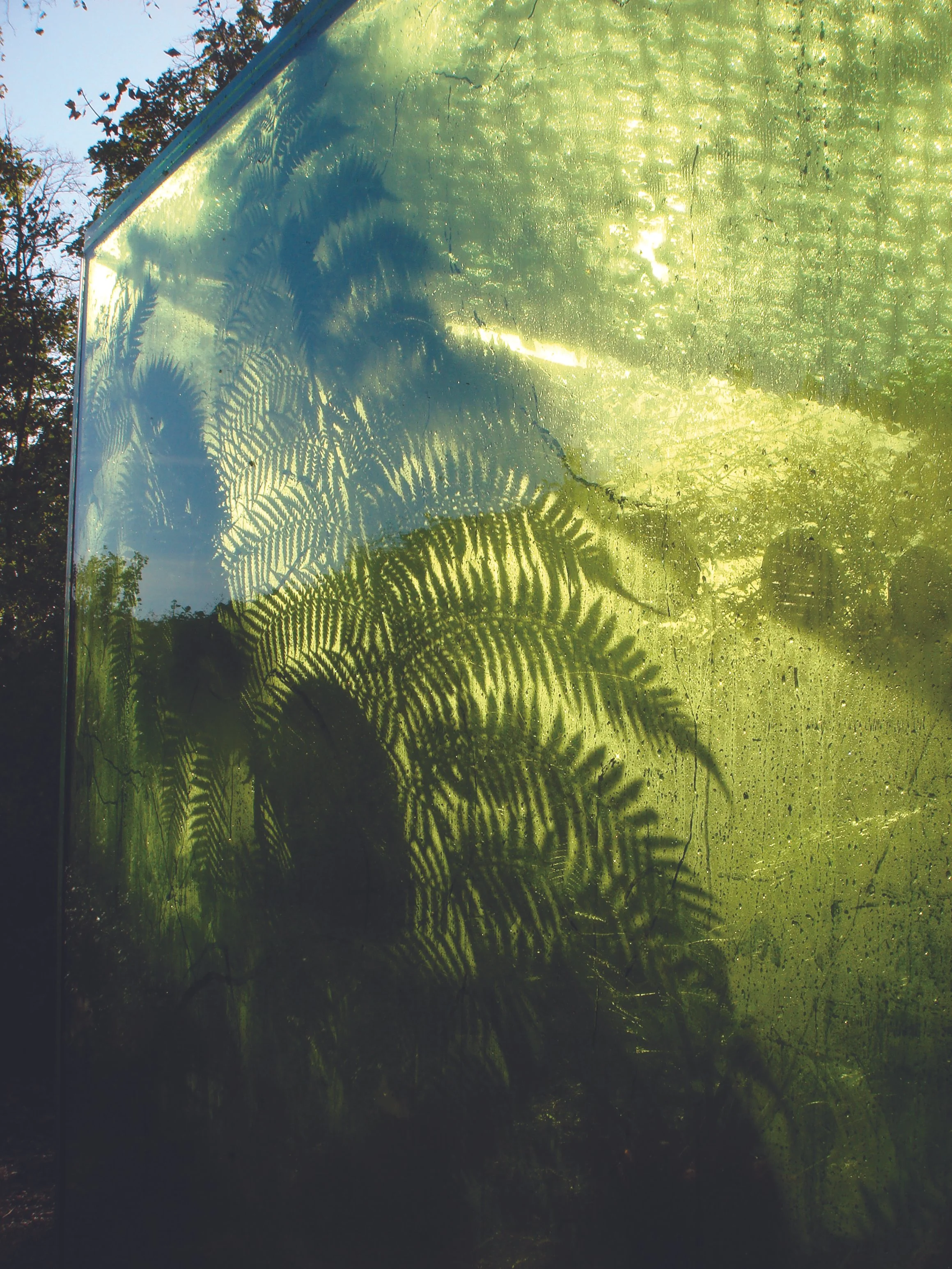
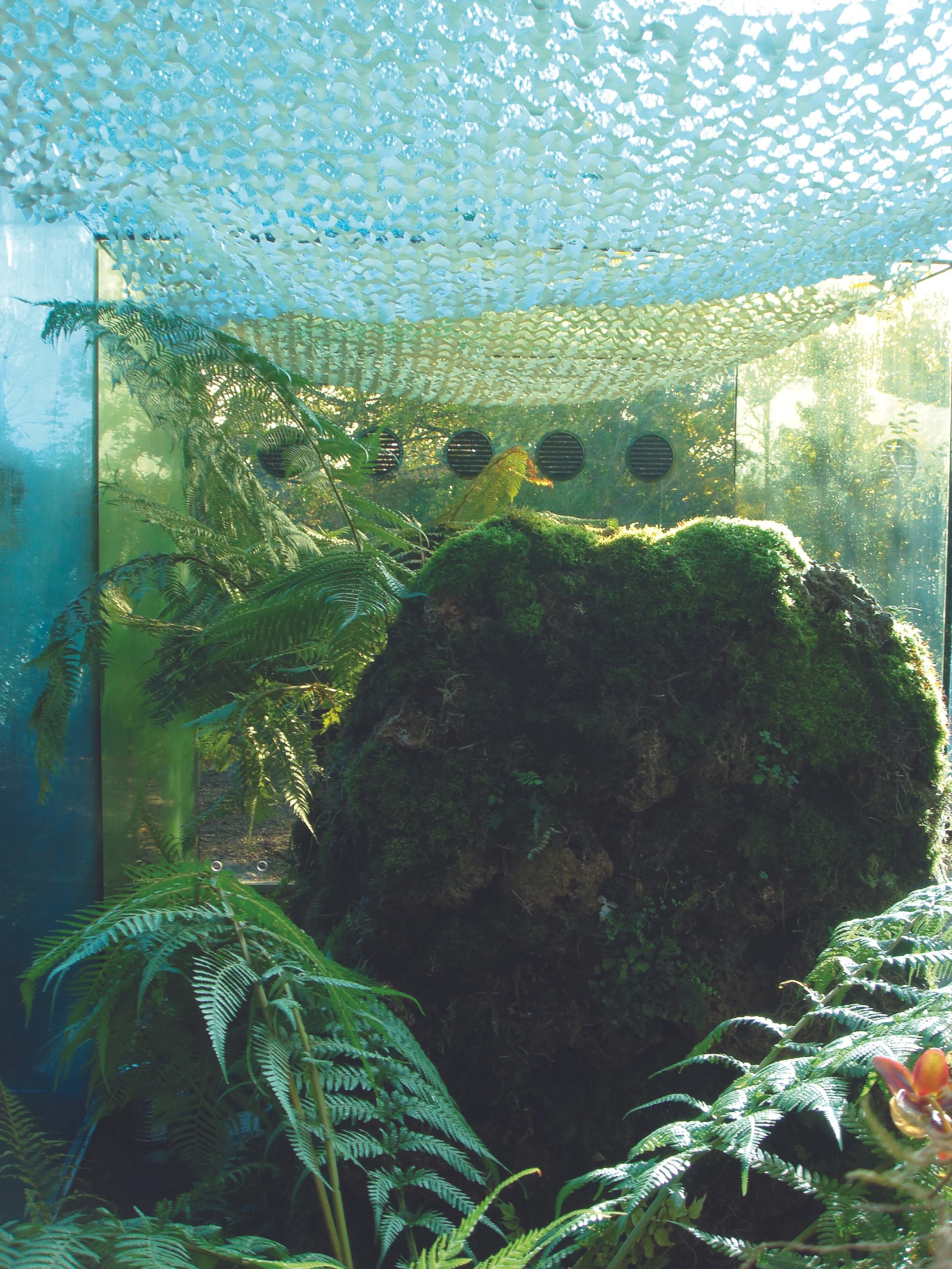
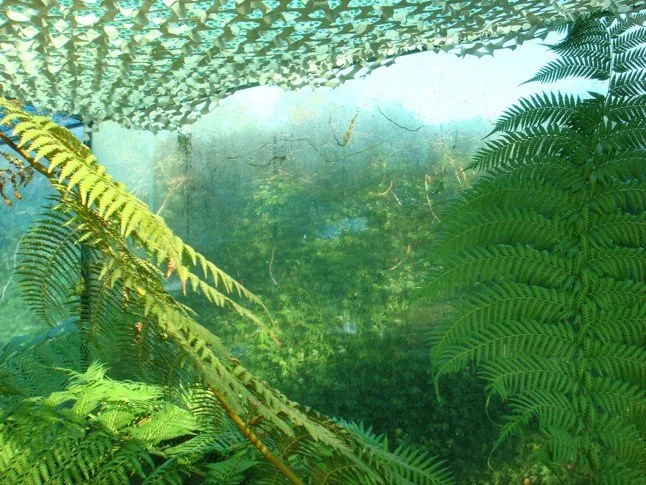
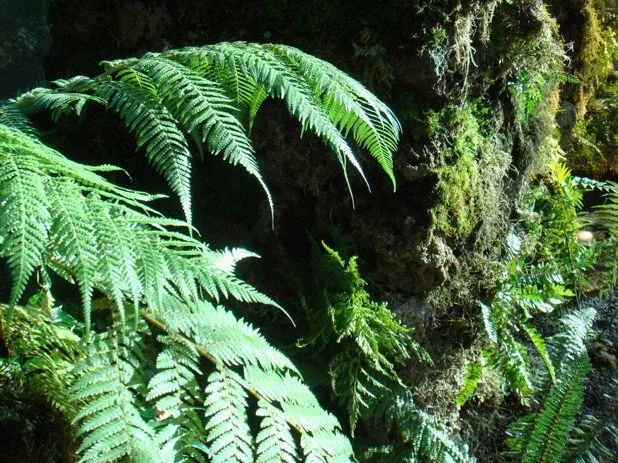
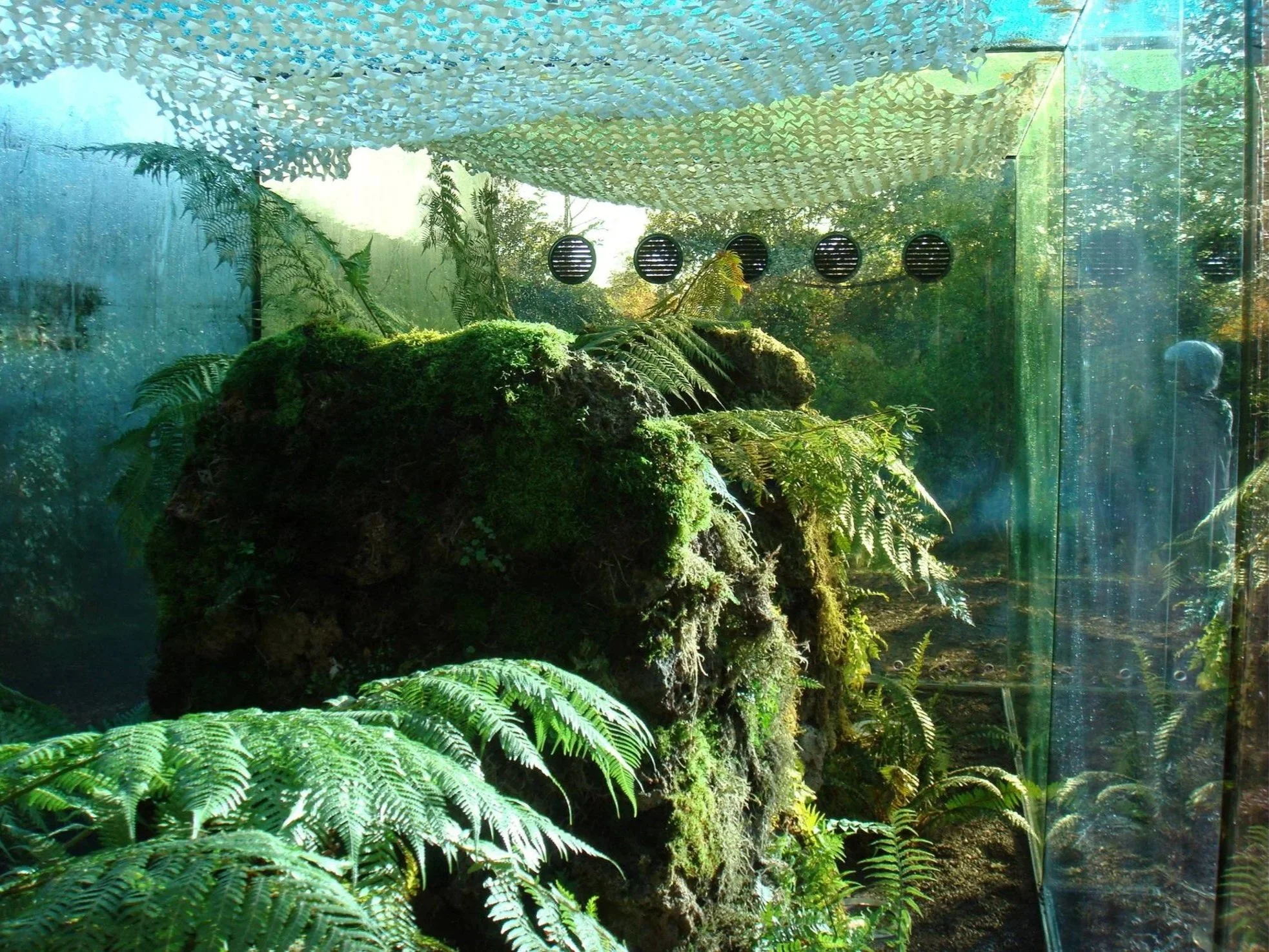
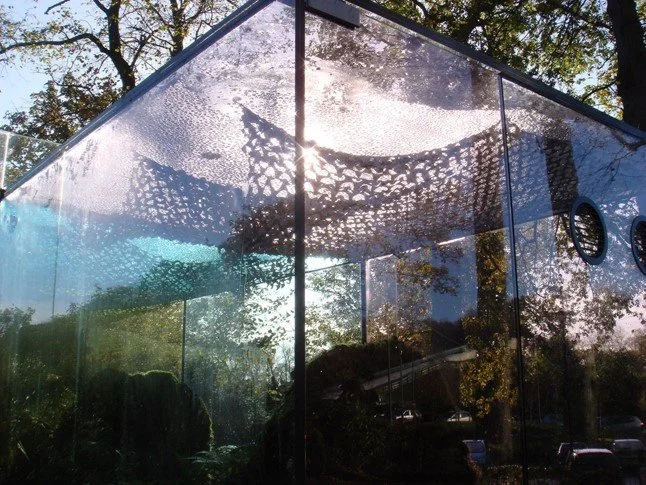
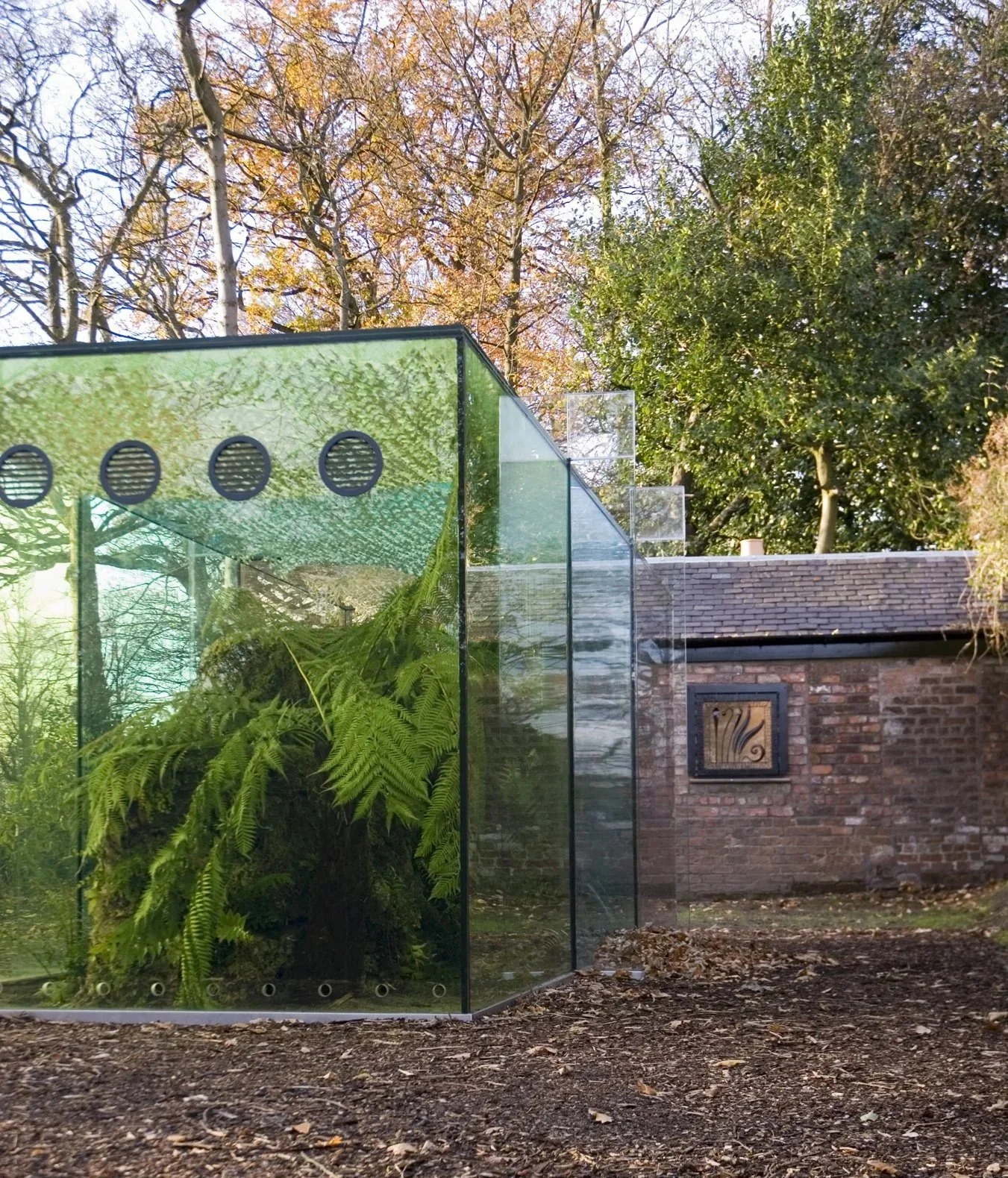
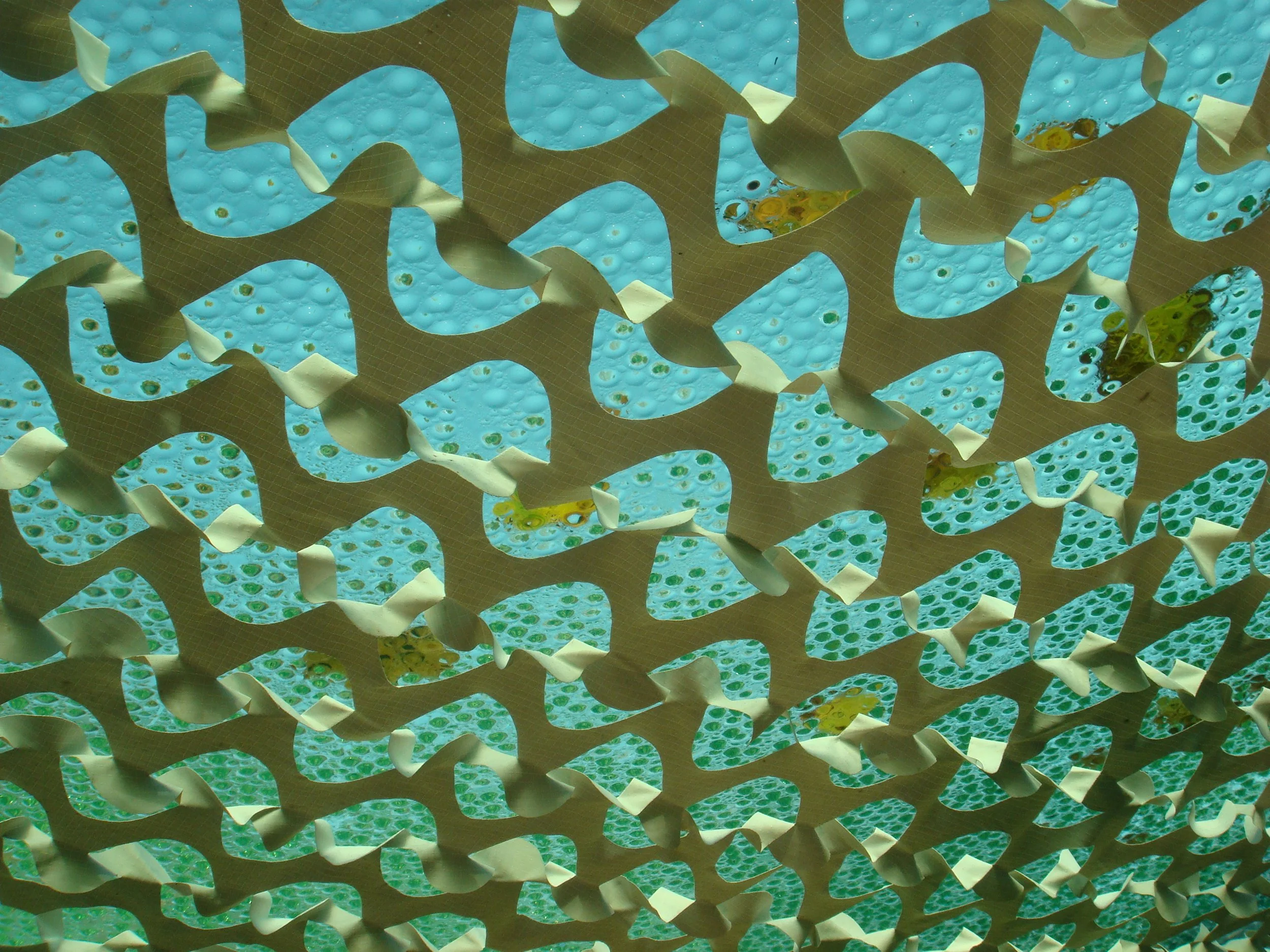
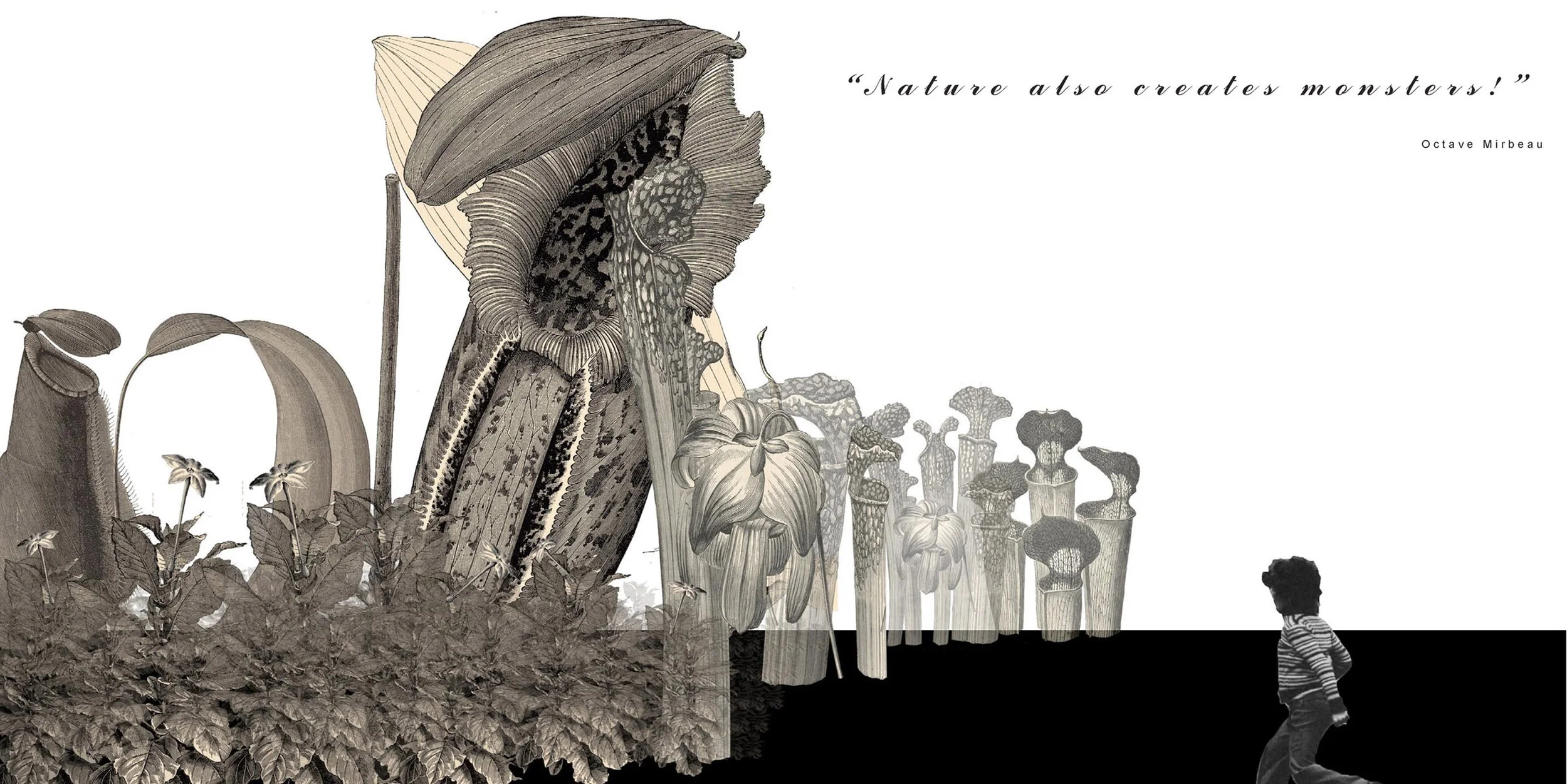
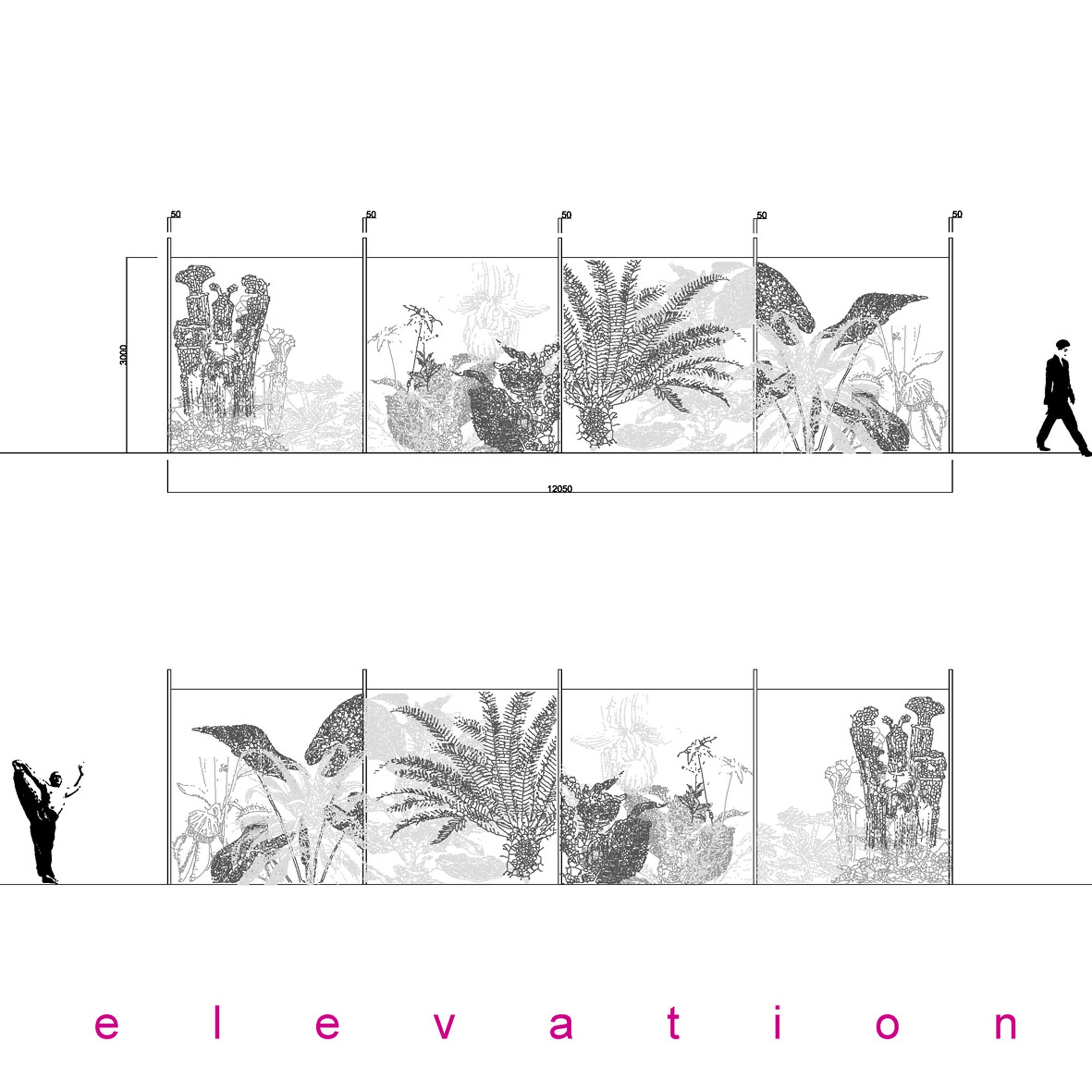
House for an Art Lover in collaboration with Glasgow City Council launched a competition in 2005 for “Speculative Architecture”. The brief encouraged innovative, ambitious and experimental ideas. GROSS. MAX. was selected for installation of its very own garden folly. The garden for a plant collector, constructed in close vicinity to Charles Rennie Mackintosh designed House of an Art Lover in Bellahouston Park Glasgow, pays tribute to a form of deranged horticulture and displays a heterotopia of plants which once and for all blurs the boundary between the natural and artificial. Landscape Architecture as the skilful, accurate, and magnificent interplay of assembled vegetation under light….The various compartments of coloured glass provide an experiment to understand the relationship between colour and growth. The rockery of foliage plants sits within a minimalist designed glasshouse composed of layers of high-performance luminous glass. The glass house as archetype can be regarded as speculative architecture – a contemporary cabinet of curiosities paying tribute to the wonders of nature. In fact, the origin of the modern architecture is the 19th century glasshouse. Most important, Joseph Paxton who designed the Crystal Palace was not an architect, but a gardener determined to satisfy the speculative gardening of the British upper classes to cultivate the latest discoveries of horticultural eccentricities shipped from all four corners of Britain’s colonial empire. Until this day many of the trendy architectural jargon such as hybrid, rhizome, cloning etc are derived from horticultural vocabulary. Des Eissentes, the illustrious protagonist of J K Huysman’s exquisite decadent novel entitled “Against Nature”. enthusiastically proclaimed: “Without a shadow of a doubt, horticulturists are the only true artist left to us nowadays….” There is of course, a paradox inherent in a glass house. It is a form, yet implicitly it is a desire to eliminate form.
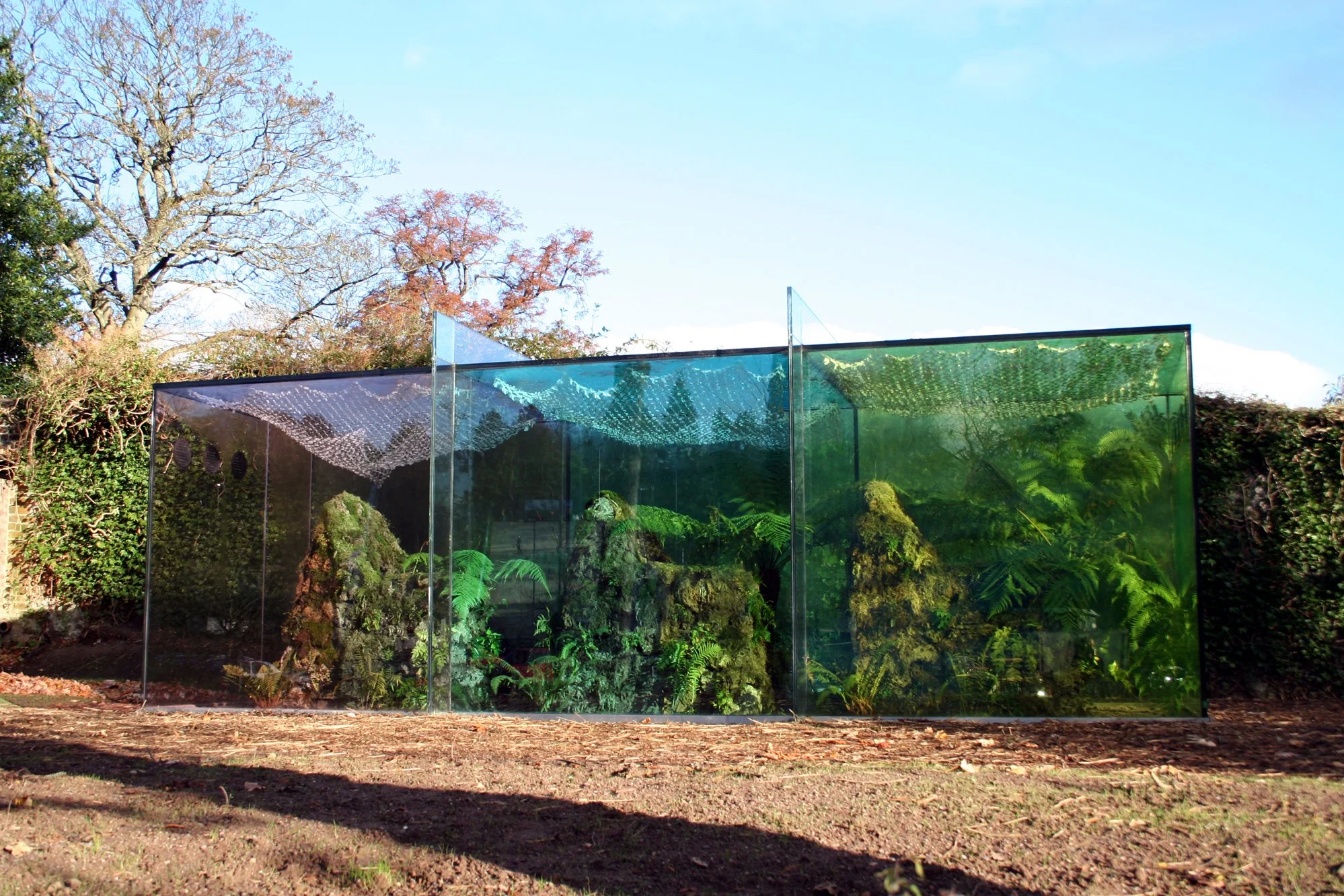
Garden for a Plant Collector
Location: Glasgow / UK
Typology: Installation
Site area: 20 sqm
Dates: 2006 - 2007
Status: Built
Role: Lead Consultant
Client: ARTpark Glasgow
Collaborator: Dewhurst McFarlane (structural engineer)
Prizes:
1st Prize “Speculative Architecture”, 2005
Publications:
Jimmy Cosgrove (ed) Speculative Architecture. Art Park Glasgow. House for an Art Lover 2005
Catharine Collin (ed) Sketch Landscape –Loft Publication 2009
Katie Curdall (ed) A conversation with GROSS. MAX. Kerb journal of Landscape Architecture vol.17 RMIT 2009
Iisa Tilder , Beth Blostein (ed) Design Ecologies-essays on the nature of design Princeton Architectural Press, 2008
Nadia Amaroso Representing Landscape: One Hundred years of visual Communication Routledge 2002
Uje Lee (Ed) GROSS. MAX. C3 Landscape Seoul 2009